In a nutshell
- Summer water at Rummu Quarry is 15.0-20.0 °C and the lake is 14 metres deep at its maximum.[1][2]
- Rummu Quarry is an unofficial and unguarded place for swimming or diving, where locals usually come to swim in summer.[3]
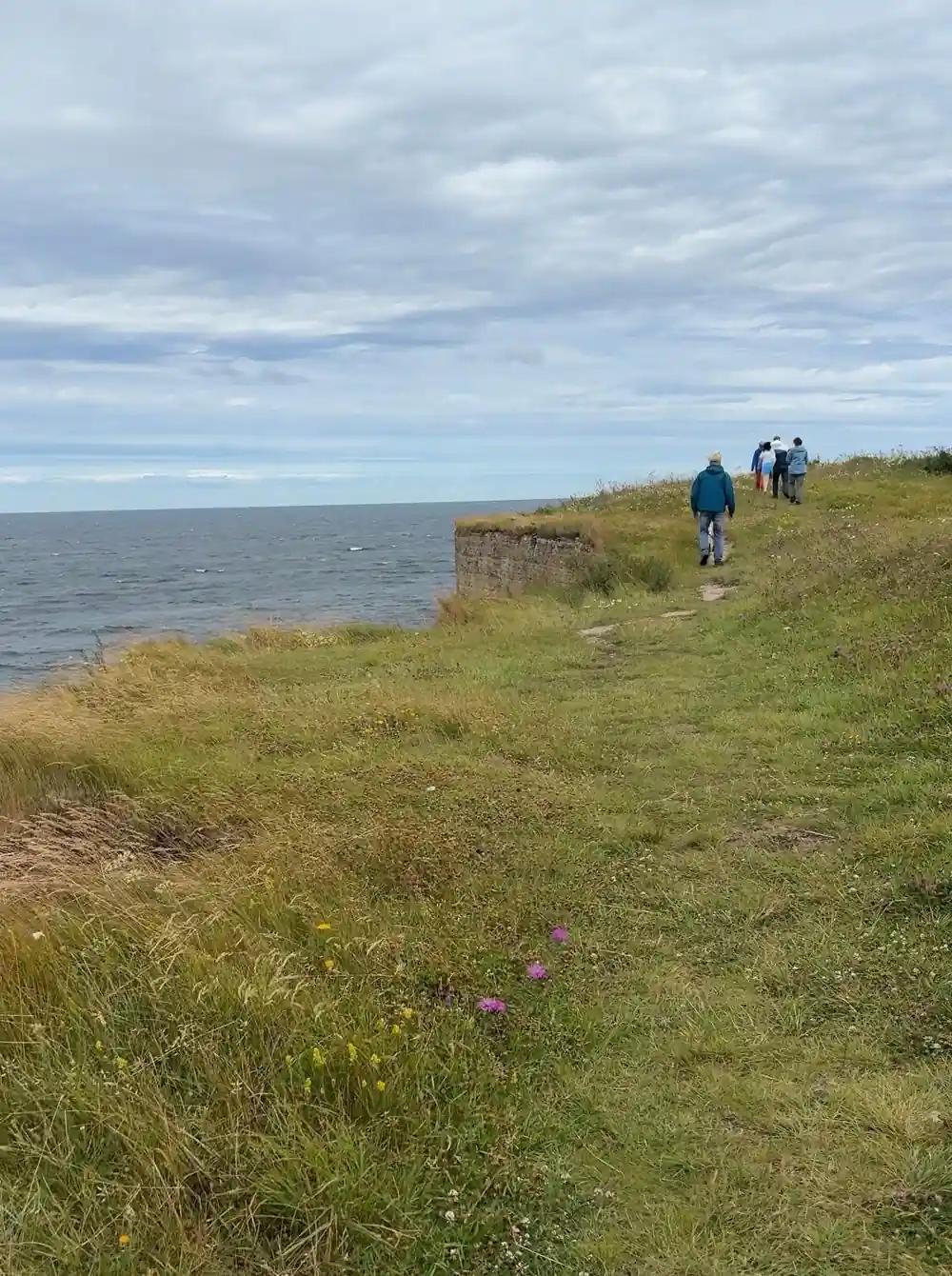
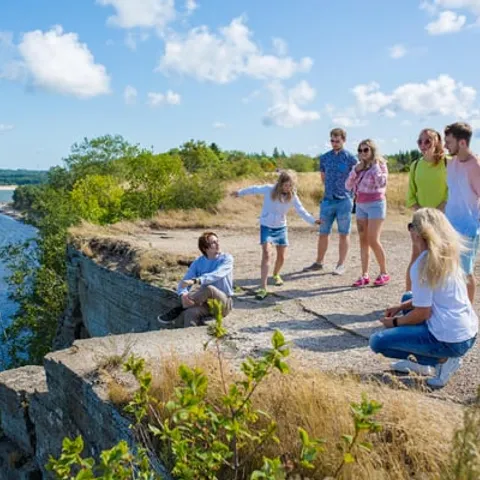
- The Pakri clifftop has no barriers along most of its length, so keep several metres back from the lip and stay off overhangs.
- Spoil slopes and wet limestone give very little grip. Shoes with tread matter more here than anything else you pack.
- FlixBus runs 2 rides each day between Tallinn and Rummu[4], and the transfer back to Tallinn is listed at 45 km, about 50 min.[5]
- Top choice Rummu, Cliffs & Keila from US$144 Duration6 hours[6]GroupLimited to 7 participants[6]GuideEnglish[6]Rating4.76 from 133 reviews[6]CancellationFree up to 24 hours before[6] Check availability
- Paldiski & Rummu Quarry from US$127 Duration7 hours[7]GroupLimited to 8 participants[7]GuideEnglish[7]Rating4.15 from 6 reviews[7]CancellationFree up to 24 hours before[7] See this tour
- Pakri Park & Coast from US$167 Duration5 hours[8]GroupPrivate group[8]GuideEnglish, Estonian[8]Rating4.69 from 8 reviews[8]CancellationFree up to 24 hours before[8] See this tour
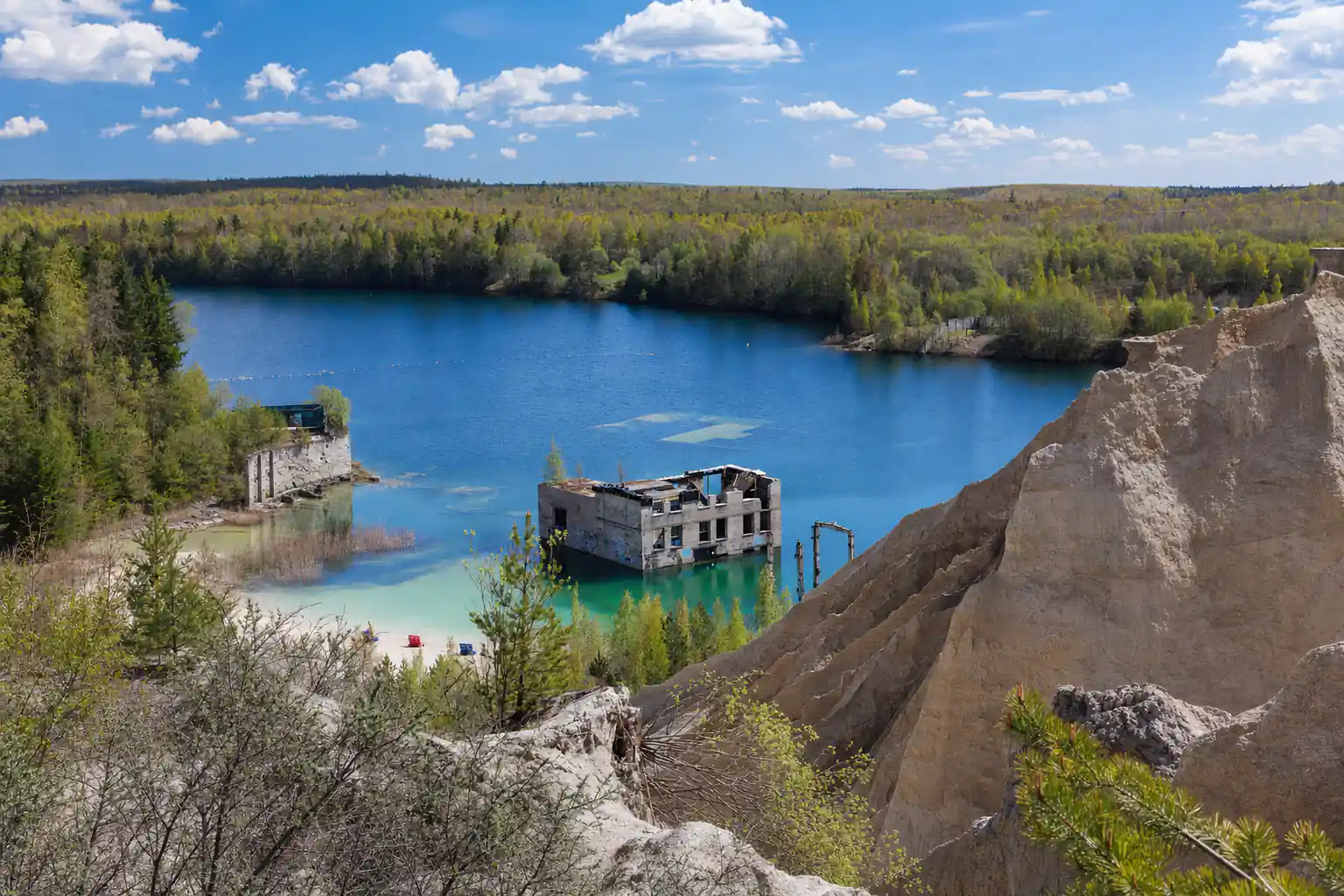
Opening times Open all year round Mon-Sun 10:00 - 20:00
How to stay safe at Rummu and the Pakri cliffs
Wear and carry
- Shoes with real tread for limestone, wet rock and quarry spoil
- Sun cream and a hat, the coast is open with very little shade
- A warm layer and a windproof shell for clifftop gusts
- Water and a snack, the stops are spread out with few shops
Before you set off
- Check daylight and the wind forecast before you commit to the cliffs
- Tell someone your route and when you expect to be back
- Hold hands with children near edges and keep them uphill on slopes
- Book the guided day trip if you would rather not drive or navigate
Limestone cliffs overhang and collapse without warning
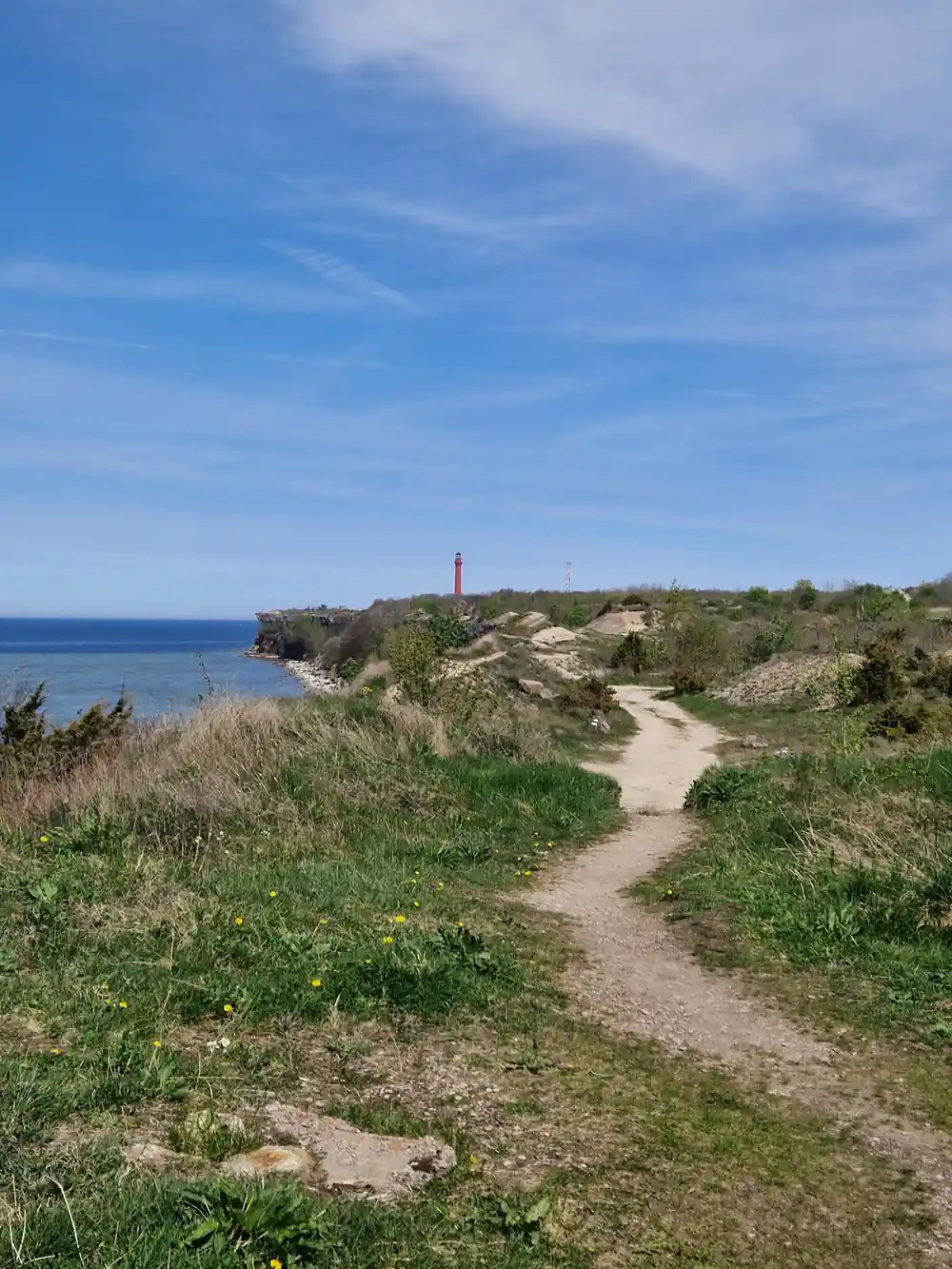
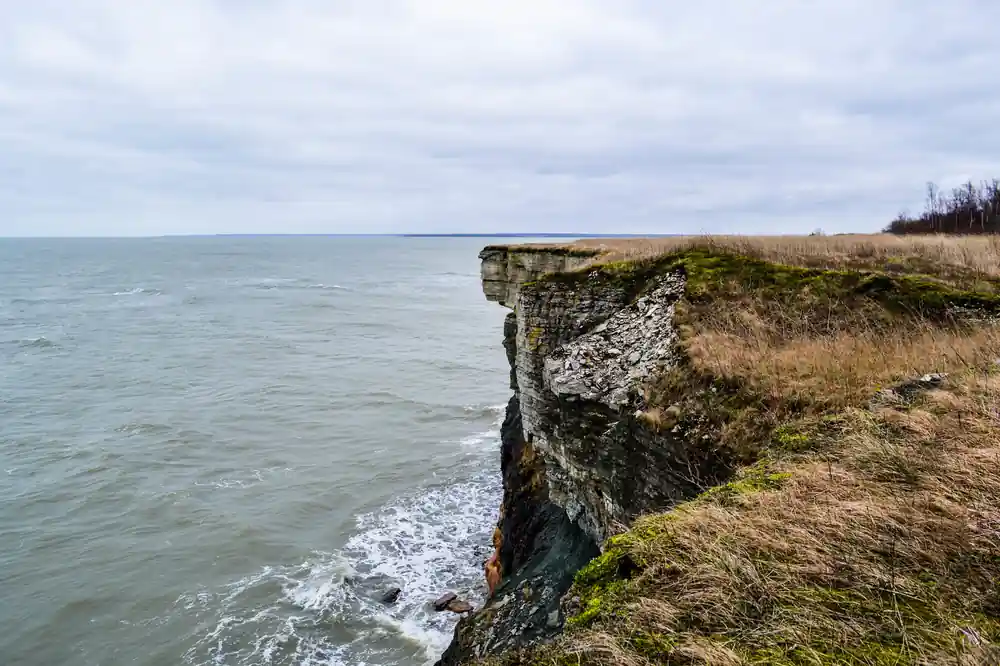
The Pakri cliffs are a long wall of pale limestone dropping straight into the Baltic, and they are the reason this stretch of coast appears on so many itineraries. They also have no railings along most of the top. Limestone is layered and relatively soft, and the sea, frost and rain work on it all year, so blocks that look firmly attached can part company with the wall between one visit and the next. Stay several metres back from the lip, keep to ground that is clearly walked, and never step out onto an overhang for a photo.
Estonian limestone is easy to work, and it has been quarried and built with for a very long time. Around Vasalemma the stone is a detritic limestone with a marble-like structure and texture, known locally as Vasalemma marble.[9] Treat pale ledges near the coast as suspect. If rock crumbles in your hand or sounds hollow underfoot, that is your cue to move inland, and remember that wet limestone is slick and that grass on a cliff edge often hides a crack.
Spoil slopes at Rummu quarry slide underfoot without friction
Rummu is not a landscaped park. The ground around the flooded quarry is made of spoil, rubble and the leftovers of decades of digging, and much of it shifts the moment you put weight on it. There are no handrails on the slopes and no cleared steps all the way round. Walk across a slope rather than straight down it, take short steps, and put a hand on solid rock when the surface is loose.
Footwear is the single thing that changes how this feels underfoot. Smooth soles on wet stone or loose gravel are a bad pairing, and beach sandals are best left in the car for the sandy stops. Wear something with tread, test each step before you trust it with your full weight, and keep your body upright instead of leaning out over a drop for a better view.
If you are carrying a camera or a phone, stop walking to use it. Most tumbles on ground like this happen at the exact moment attention moves from your feet to your screen.
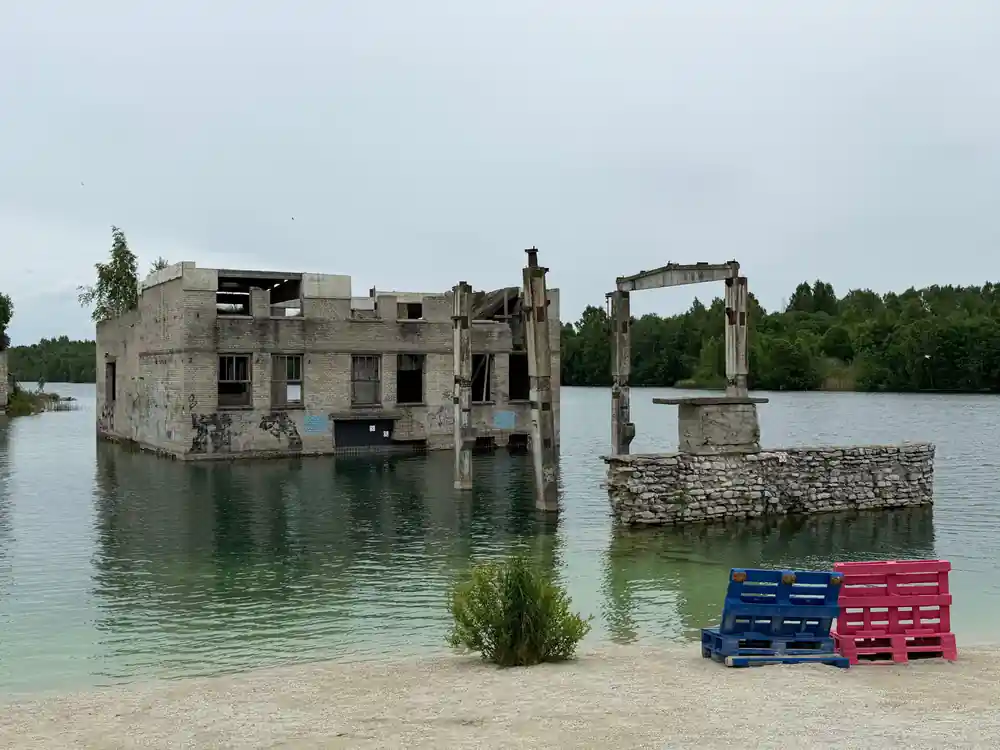
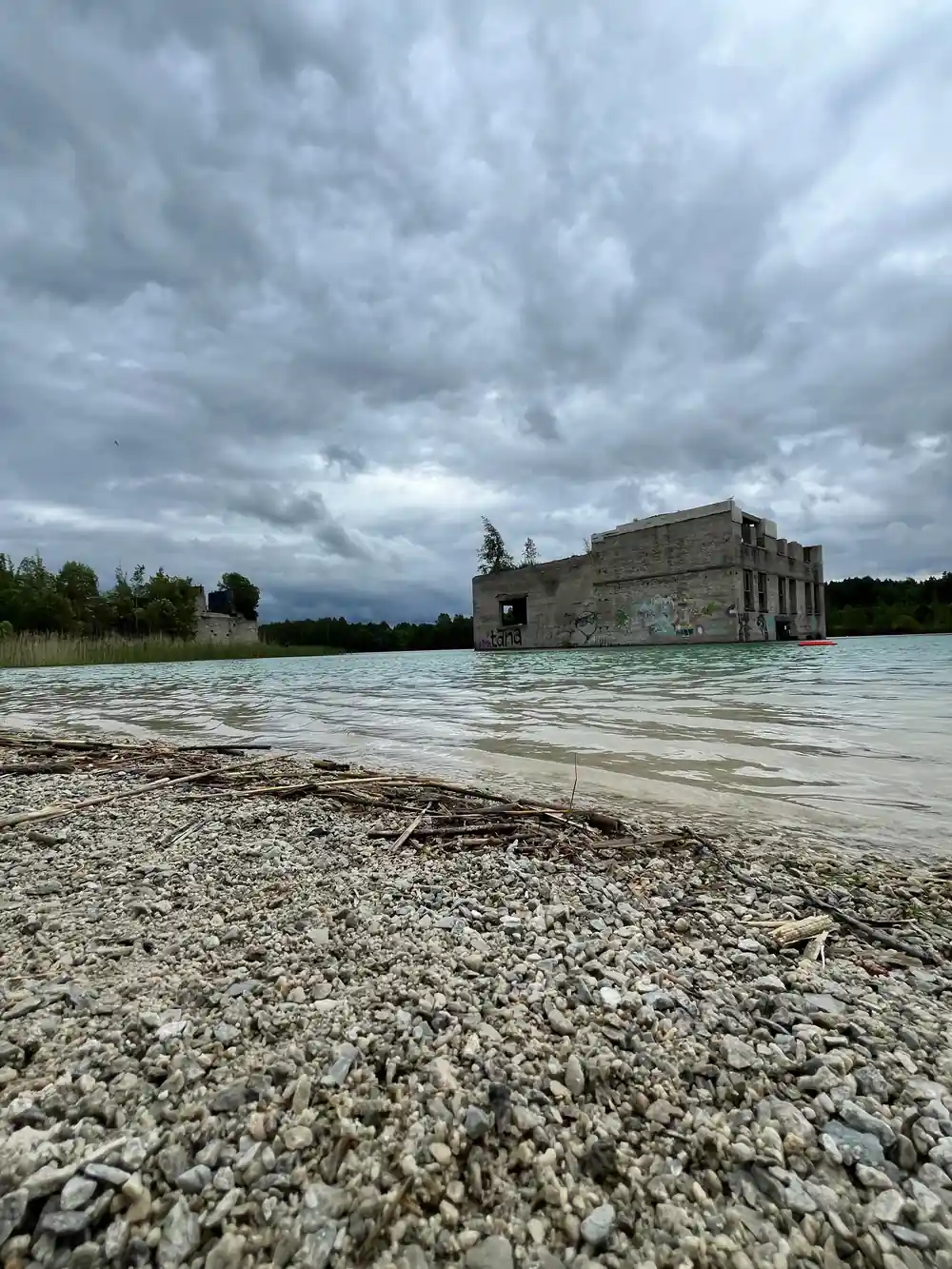
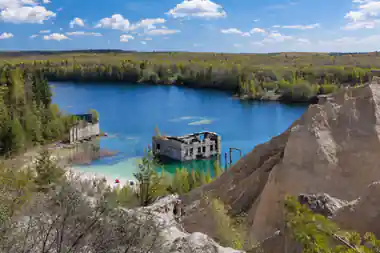
The quarry floor, pumped dry for decades, is now a lake ringed by the buildings of the old prison.
Cold water, depth and the Rummu quarry water temperature
The lake is the colour of a swimming pool, and the colour is misleading. Summer water temperature at Rummu Quarry runs at 15.0-20.0 °C.[1] On the first plunge that is cold enough to stop your breathing for a moment and to leave your hands clumsy within minutes. Wade in slowly, keep the first swim short, and stay where your feet can find the bottom.
Depth is the other thing people underestimate. The maximum depth of the lake at Rummu quarry is 14 metres.[2] The shelving ground falls away quickly, and cold water plus distance from the bank is an exhausting combination. Rummu quarry is an unofficial and unguarded place for swimming or diving, where locals usually come to swim in summer[3], so there are no lifeguards, no ropes and nobody whose job it is to watch you.
If you want to dive rather than paddle, Rummu Diving & WaterSports organizes weekly dives for certified divers, open water dives for incomplete courses and full OWD courses.[10] Going in with people who know the site is the simplest way to see the underwater parts of the quarry and stay clear of the parts that are not safe.
Soviet-era buildings are structurally unstable and full of hazards
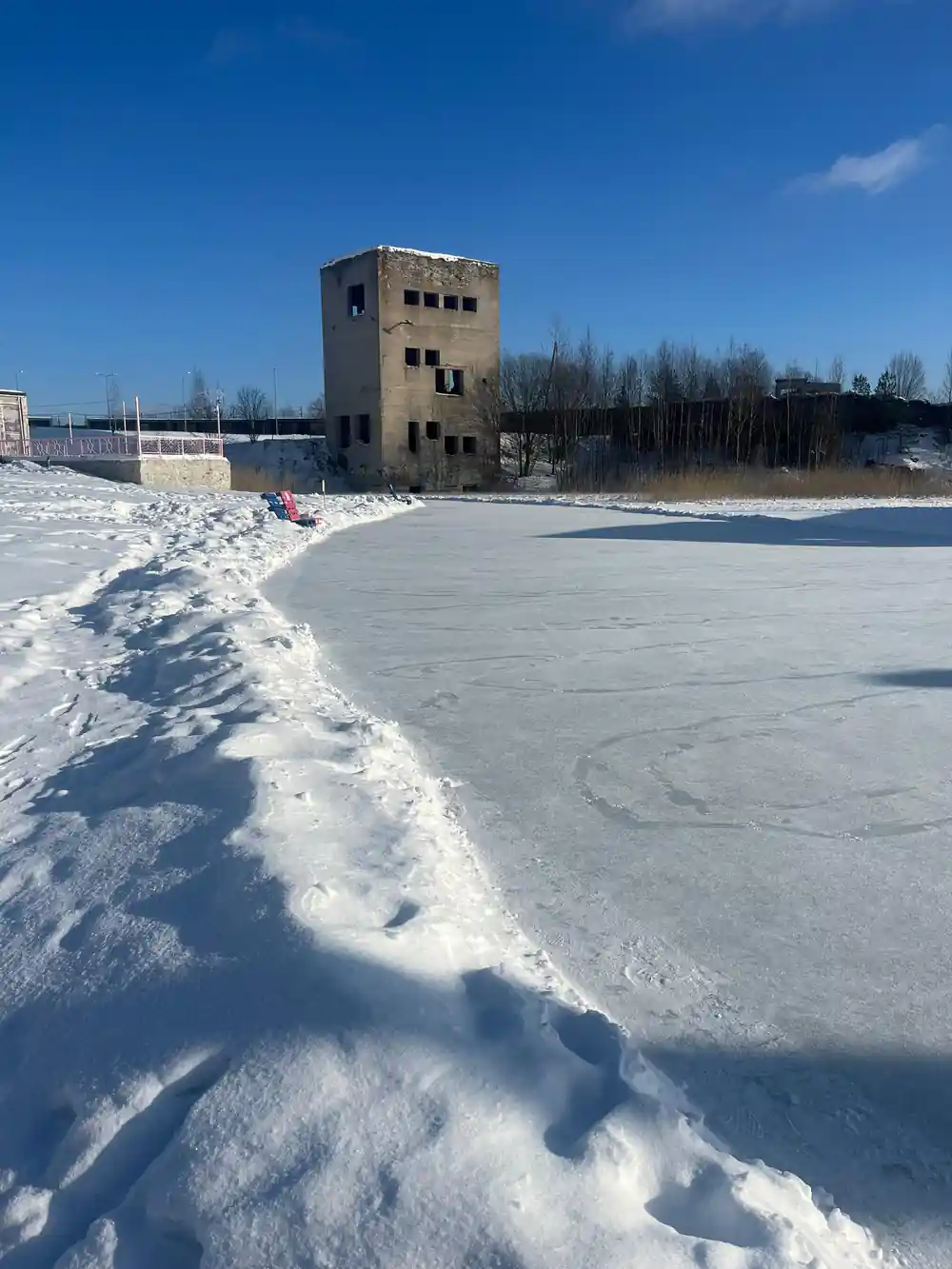
The prison and factory buildings that made Rummu famous are the reason many people come here, and they are the least stable thing on the site. Concrete that has been soaked and frozen for decades loses its grip on the steel inside it, and nobody is maintaining any of it. Look from outside, photograph from the ground, and treat every doorway, staircase and roof as something that could fail while you are standing on it.
The quarry began to fill with water after the nearby prison closed after 1991, when pumps that kept the quarry dry were shut down.[11] What was a working floor is now a lake bed, and the buildings stand at odd angles in and above the waterline.
In winter a ticket that includes access to the Rummu quarry also covers the skating rink, the prison and an audio guide, at €10 per person or €20 per family.[12] If you want the story of the place without scrambling over rubble to find it, that is the version to book.
15.0-20.0 °C
Rummu Quarry water sits at this range in summer[1], cold enough to steal your breath on entry. Unofficial and unguarded swimming.[3]
Coastal wind pushes and destabilises you at cliff height
The Pakri coast faces open water and the wind arrives with nothing to slow it down. On a gusty day it can push you sideways in mid-step, and a stumble is the whole accident at a place with no barrier. Check the gusts as well as the temperature before you set out, crouch rather than stand tall on exposed points, and give the edge more room than feels necessary.
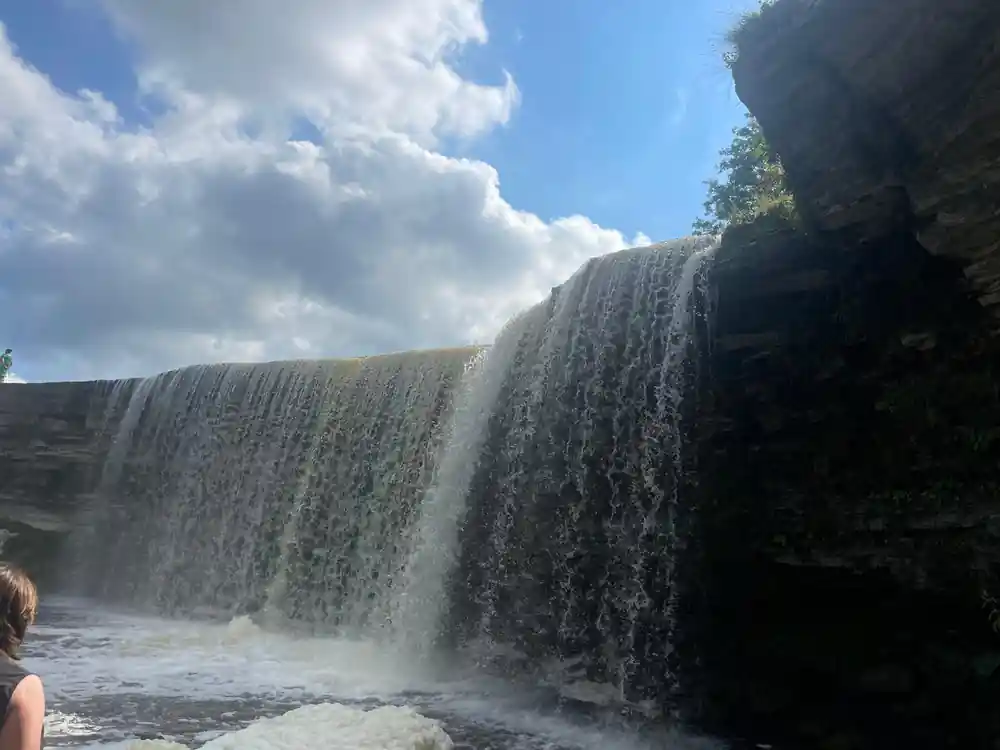
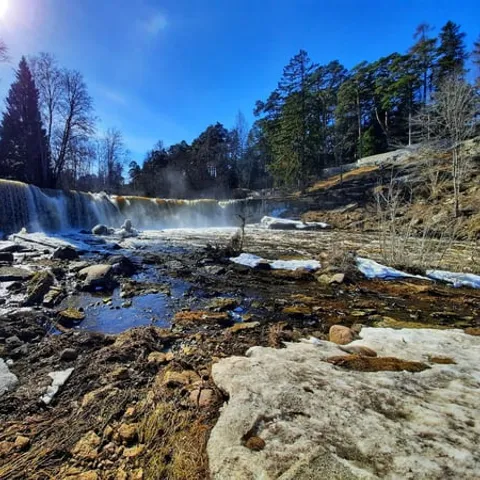
The guided day from Tallinn is a sensible way to see this stretch when you are unsure about conditions. The van runs through Suurupi, Keila Waterfall, Paldiski, the Pakri Lighthouse and Rummu Quarry, with a live English-speaking guide and a group limited to 7 participants.[6] Keila waterfall is 6 metres high[13] and makes a fine stop before the exposed coast.
Mobile signal is absent or unreliable in remote areas
Estonia has excellent coverage in towns, but the coast between Paldiski and Rummu has gaps where your phone will not help you. Download an offline map and the day's route before leaving Tallinn, tell someone where you are going and when you expect to be back, and carry a power bank in cold weather when batteries drain quickly. Do not count on being able to call for help from a clifftop.
Getting here without a car is possible but thin. FlixBus runs 2 rides each day between Tallinn and Rummu.[4] Daytrip lists the transfer from Rummu Quarry & Prison to Tallinn at a total distance of 45 km and an estimated time of 50 min.[5] The guided day trip covers the cliffs, the waterfall and the quarry in 6 hours, from US$144.[6] If you would rather not plan around a bus, that or a hire car gives you the freedom to leave when the weather turns.
Keeping children safe at cliff edges and on slopes
Children cover ground faster than adults expect, and a cliff edge does not offer a second chance. Hold hands within several metres of any edge, agree a stopping point before you let them walk ahead, and put your phone away while you are near the lip. On the quarry slopes, keep younger children on the uphill side of you and let them sit and slide down rather than run.
Rummu Quarry is open all year round every day from 10:00 to 20:00.[14] If you want to spread the visit over two days with small children, Rummu Caravan Park offers overnight accommodation for motorhomes, caravans and tents[15], and sauna rituals are offered at Paekalda Holiday Center[16]. An early start also means you see the quarry and the cliffs while the day is still calm.
Tour durations from Tallinn
Durations as listed for each GetYourGuide tour:[6][7][8][17].
From-prices for guided Rummu and coast days
From-prices per person as listed on GetYourGuide:[6][7][8].
When to go and what to book
Staying safe on the day
Check the forecast
Wind changes everything on an exposed coast. Check gusts, not just temperature, and move the cliff section to another day if the forecast looks wild.
Dress for loose ground
Shoes with tread for limestone, wet rock and quarry spoil. Long trousers help on overgrown paths, and a windproof layer earns its place on the clifftop.
Keep back from edges
Keep several metres of margin, do not sit on overhangs and never stand on the lip for a photo. Step back and the view is still there.
Test the water first
Summer water of 15.0-20.0 °C[1] and a maximum lake depth of 14 metres[2] mean you should wade before you swim.
Agree a meeting point
If your group splits up, pick a landmark and a time to meet. Patchy phone signal makes agreed meeting points more useful than apps.
See Rummu Quarry, the Pakri cliffs and Keila Waterfall with a local guide
from US$144Reserve now & pay later