In a nutshell
- The lighthouse stands on the Pakri peninsula beyond Paldiski, on the coast west of Tallinn, where limestone cliffs drop straight to the Baltic.
- Public transport reaches Paldiski, and day tours from Tallinn call at the cliffs and the lighthouse on their way out to Rummu quarry.
- Tallinn: Rummu Quarry, Coastal Cliffs & Keila Waterfall lasts 6 hours, takes up to 7 people and costs from US$144.[1]
- A layered cliff face, boulders below, the Pakri islands offshore, a working harbour and Soviet era remains scattered around Paldiski.
- Rummu quarry is open all year round, every day from 10:00 to 20:00,[2] and summer is the mildest season for the cliffs.
| Rummu, Cliffs & Keila | Paldiski Soviet Era | Pakri Park & Coast | |
|---|---|---|---|
| From | from US$144[1] | from US$127[3] | from US$167[4] |
| Duration | 6 hours[1] | 7 hours[3] | 5 hours[4] |
| Group size | Small group, limited to 7[1] | Small group, limited to 8[3] | Private group[4] |
| Rating | 4.76 from 133 reviews[1] | 4.15 from 6 reviews[3] | 4.69 from 8 reviews[4] |
| Cancellation | Cancel up to 24 hours in advance[1] | Cancel up to 24 hours in advance[3] | Cancel up to 24 hours in advance[4] |
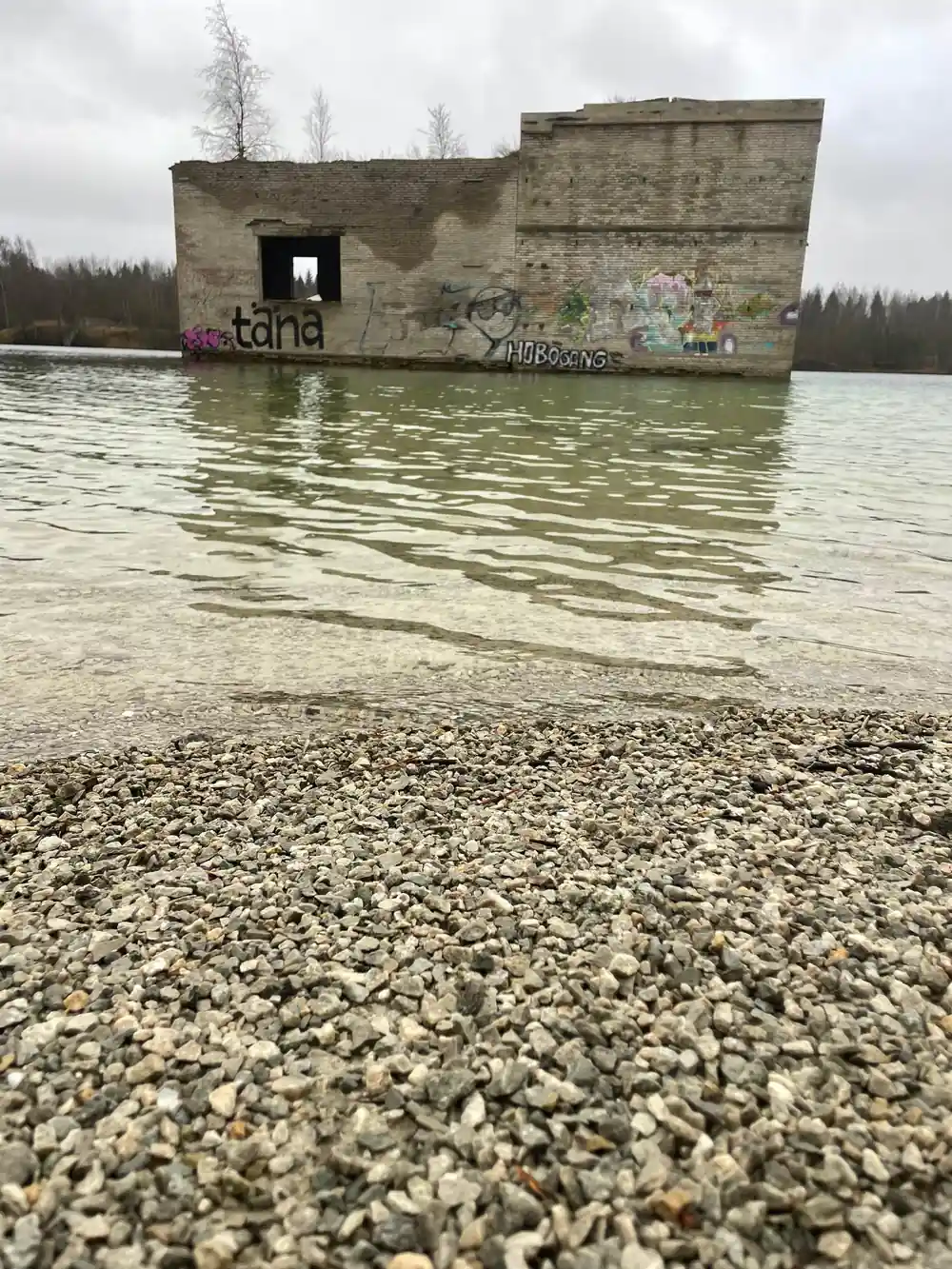
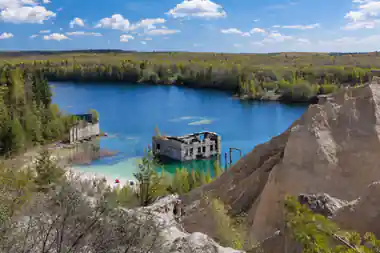
When the prison closed after 1991, pumps that once kept the quarry and the prison dry were shut down, causing water to fill the quarry.
Is the Pakri Lighthouse stop worth it?
Know before you leave
- Check the forecast for Paldiski rather than Tallinn, the coast has its own weather
- Book ahead for summer dates, small groups fill up quickly
- Free cancellation applies to the tour booked from this site
- Pack shoes with grip for the path and the rocky ground near the edge
On the day
- Layer up, the cliff top is windy even on a warm afternoon
- Allow the full tour time before you make evening plans in Tallinn
- Small group numbers keep viewpoints calm and photogenic
- Carry a little cash for coffee and snack stops along the coast
Pakri Lighthouse Estonia: A Landmark on the Paldiski Cliff Edge
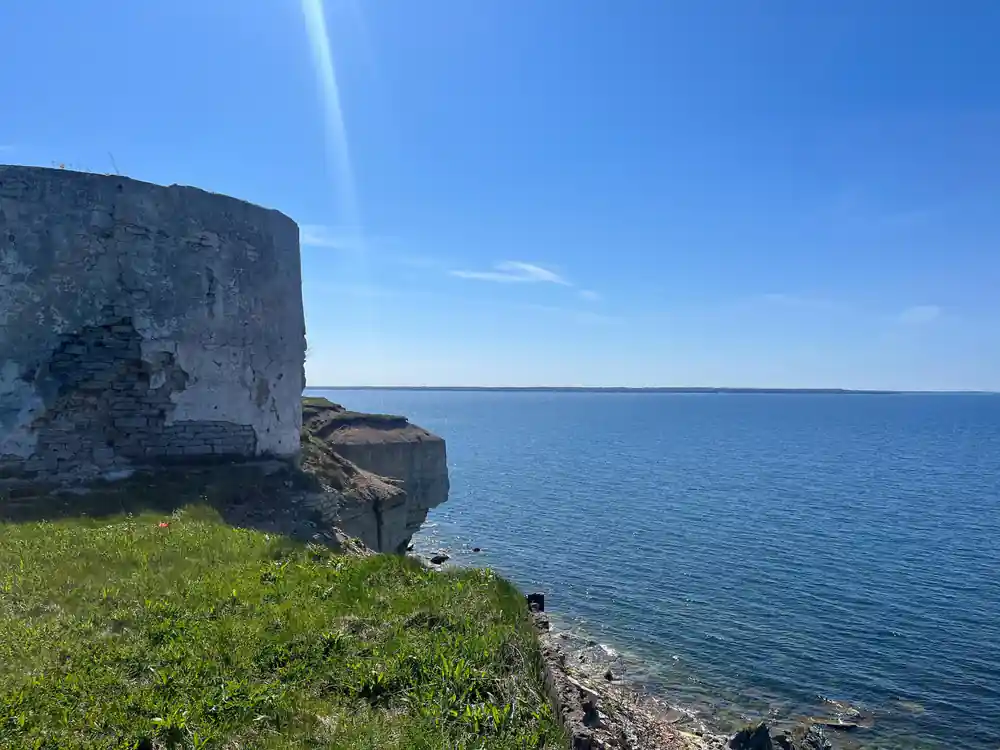
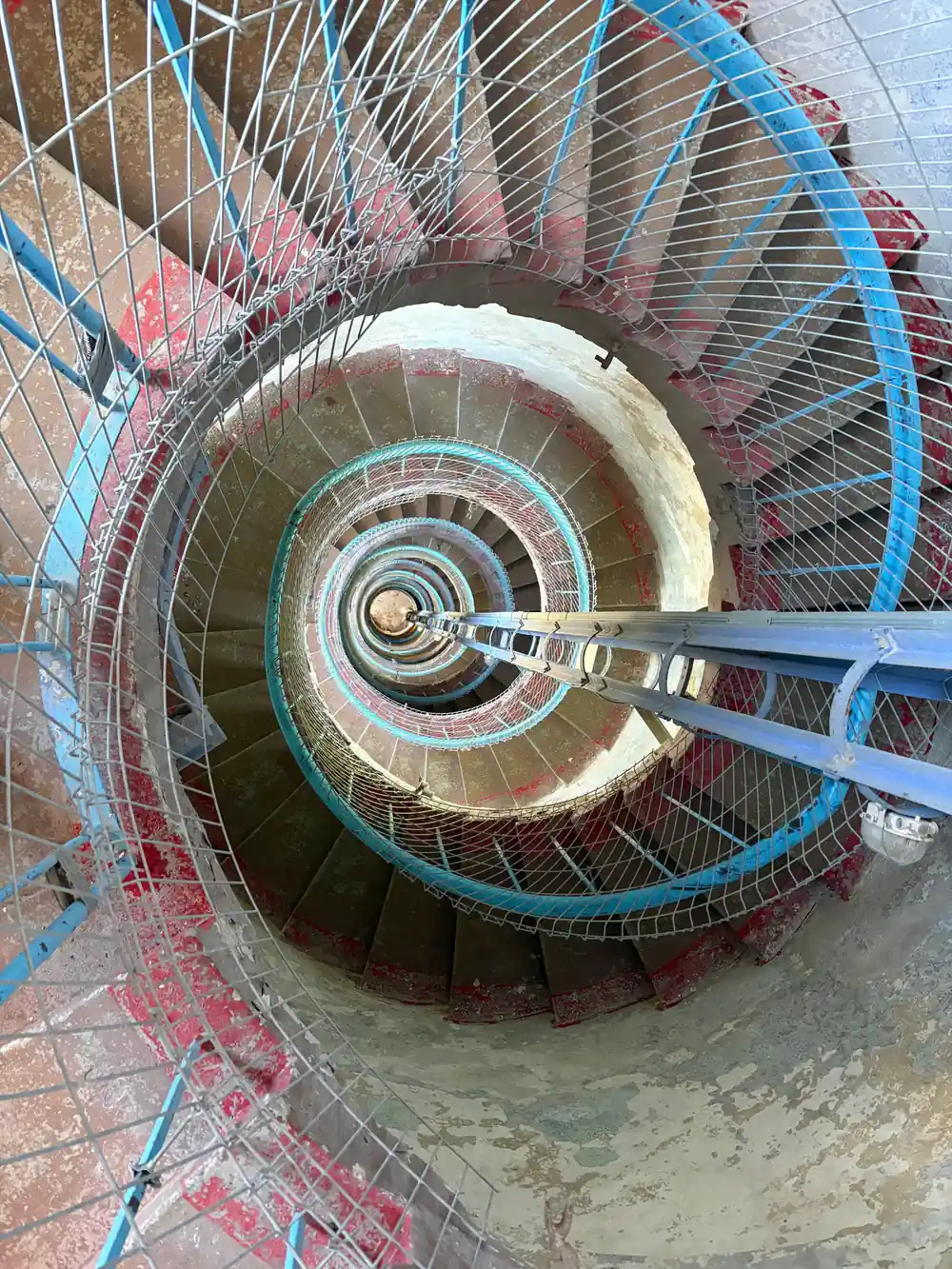
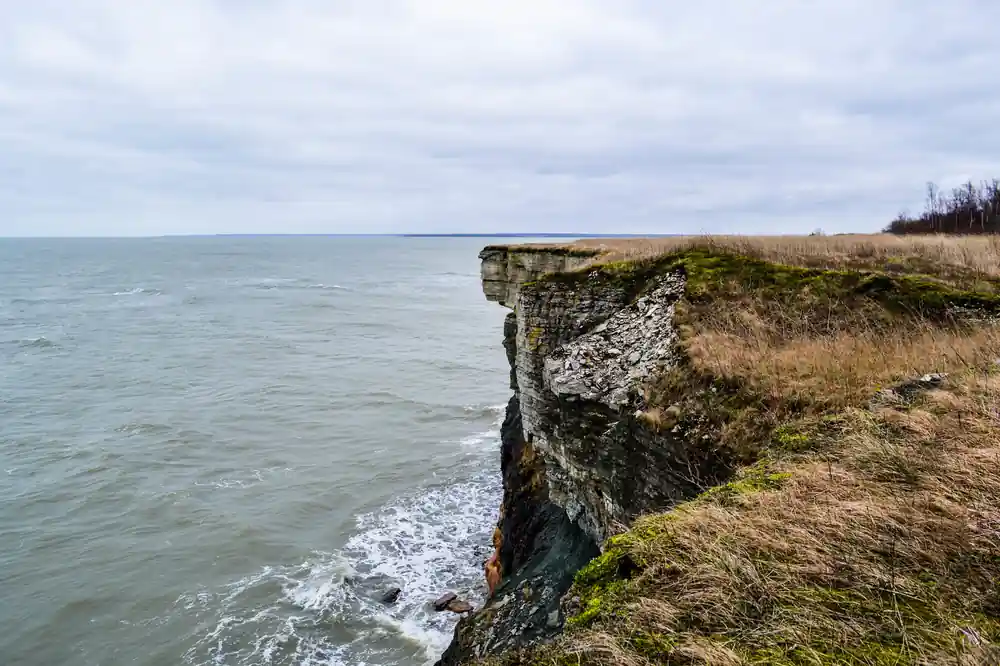
The Pakri lighthouse stands at the tip of the Pakri peninsula, a flat-topped tongue of rock that reaches out into the Baltic west of Tallinn. The tower is the landmark everyone watches for. It appears first as a thin line against the sky, then as a solid building with a gallery, a lantern room and low service buildings around its base. In front of it the ground simply stops. The limestone drops away to a shore of boulders and grey water, and on a clear day the Pakri islands sit offshore like two low backs in the sea.
Photographs do not prepare you for the wind, which arrives off the water with nothing to slow it down. The visit itself is simple: step out of the van, walk towards the edge, look along the coast and turn round to see the lighthouse against the sky. The lighthouse is a stop on the Tallinn: Rummu Quarry, Coastal Cliffs & Keila Waterfall tour, which lasts 6 hours, keeps the group to a maximum of 7 participants and costs from US$144.[1] The same day also calls at Suurupi, Keila Waterfall, Paldiski and Rummu quarry, so the tower is one part of a loop along the coast.[1]
The lighthouse is not the only reason to come this far out. The peninsula is quiet, the roads are empty for much of the year, and the mix of a working harbour town, an old military landscape and a cliff that falls straight into the sea makes for a strange and memorable few hours. Bring a windproof layer and leave the rest of the day free.
Getting to Pakri Lighthouse from Tallinn
Paldiski is an easy day out from the capital, but the last stretch to the lighthouse is where plans need a second look. Public transport gets you to Paldiski, and the lighthouse and cliffs sit beyond the town on the peninsula, along a road that passes flat, scrubby ground and old military walls. A suburban train line runs to Paldiski, buses follow the main road, and from the town you either walk, cycle or take a taxi the rest of the way. On a map the peninsula looks small; in a headwind it feels longer.
Tours solve the transport problem. The tour booked here leaves Tallinn by van, and its listed stops run Van, Suurupi, Van, Keila Waterfall, Van, Paldiski, Van, Pakri Lighthouse, Van, Rummu Quarry, Van.[1] Two other listings come out this way: the Paldiski Soviet Era Sights and Rummu Quarry tour, from US$127, which includes Pakri Cliff among its stops,[3] and the Pakri landscape conservation park and coast tour, from US$167, which reaches Paldiski and Keila Waterfall.[4] For Rummu quarry on its own, FlixBus runs 2 rides each day between Tallinn and Rummu.[5]
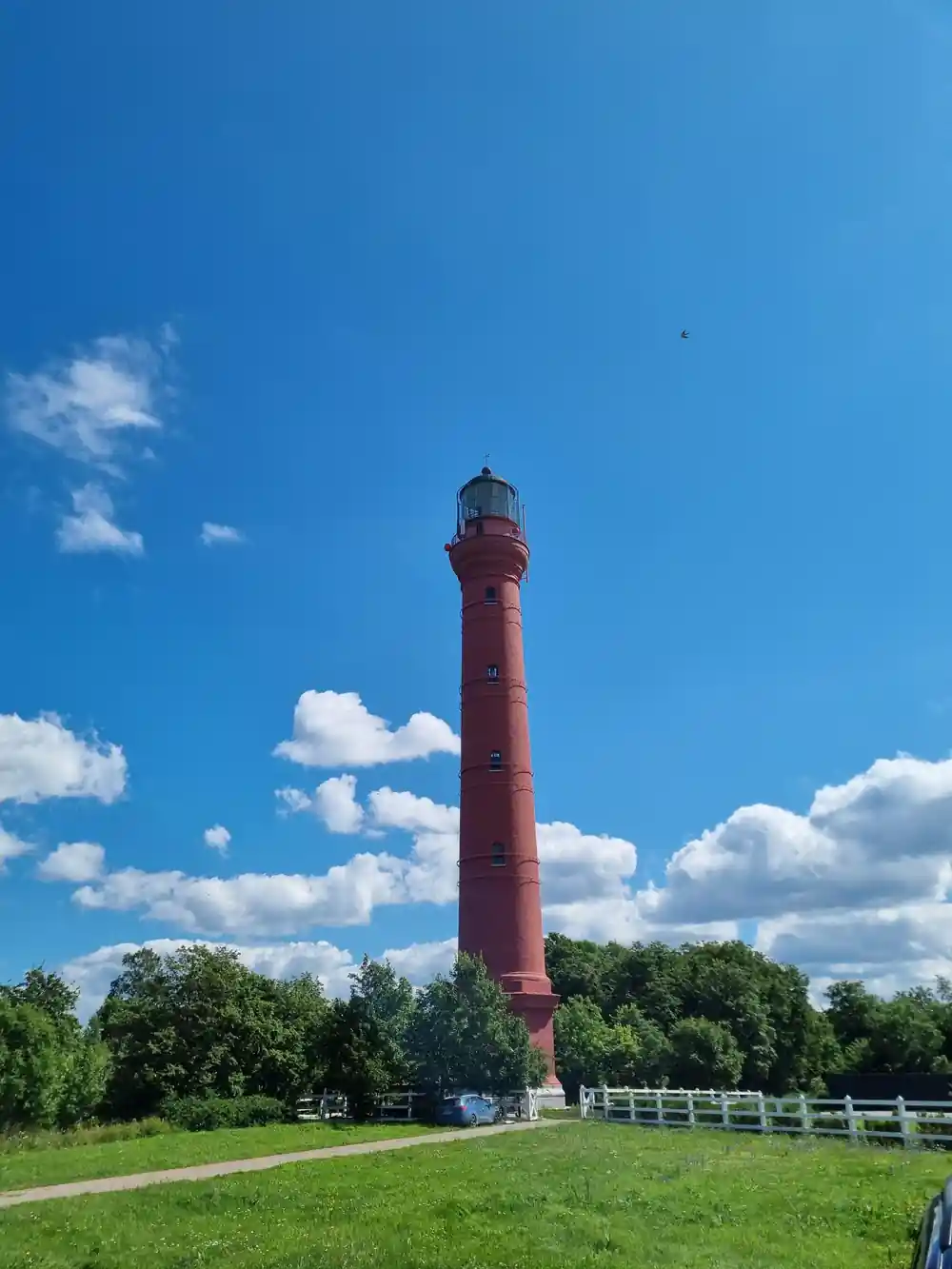
The limestone edge at Pakri, where the Baltic works at the base of the cliff.
The Pakri Cliffs and Lighthouse: What You See
The cliff is a stack of sedimentary layers, laid down when this was a shallow sea floor and lifted afterwards. Waves work at the base, undercutting the softer beds until blocks fall away, and the edge retreats inland with every storm. The whole story is readable in the cliff face: bands of harder rock standing proud, softer layers worn back, rubble at the foot, and a shelf of flat rock where the sea has cleared the debris away. One local stone, Vasalemma limestone, is a detritic limestone with a marble-like structure and texture, known locally as Vasalemma marble.[6]
Above the cliff the land is flat, wooded in places and open in others, with tracks that lead to viewpoints and past the lighthouse. The Pakri islands lie offshore, and the coastline curves away towards Paldiski harbour with its cranes and quays. Binoculars earn their place in a bag here: seabirds use the cliff, the islands are a staging post for migrating birds, and the view along the coast changes with the light, flat and grey under cloud, sharply clear when a front passes.
Weather decides what you get. On a still, bright day the water is blue and the islands stand out clearly. In a gale the same view turns grey, spray reaches high up the cliff and the path along the edge is no place to stand. Check the forecast, take the wind seriously, and the cliffs will still be worth the trip.
Paldiski Tuletorn and the Surrounding Soviet Legacy
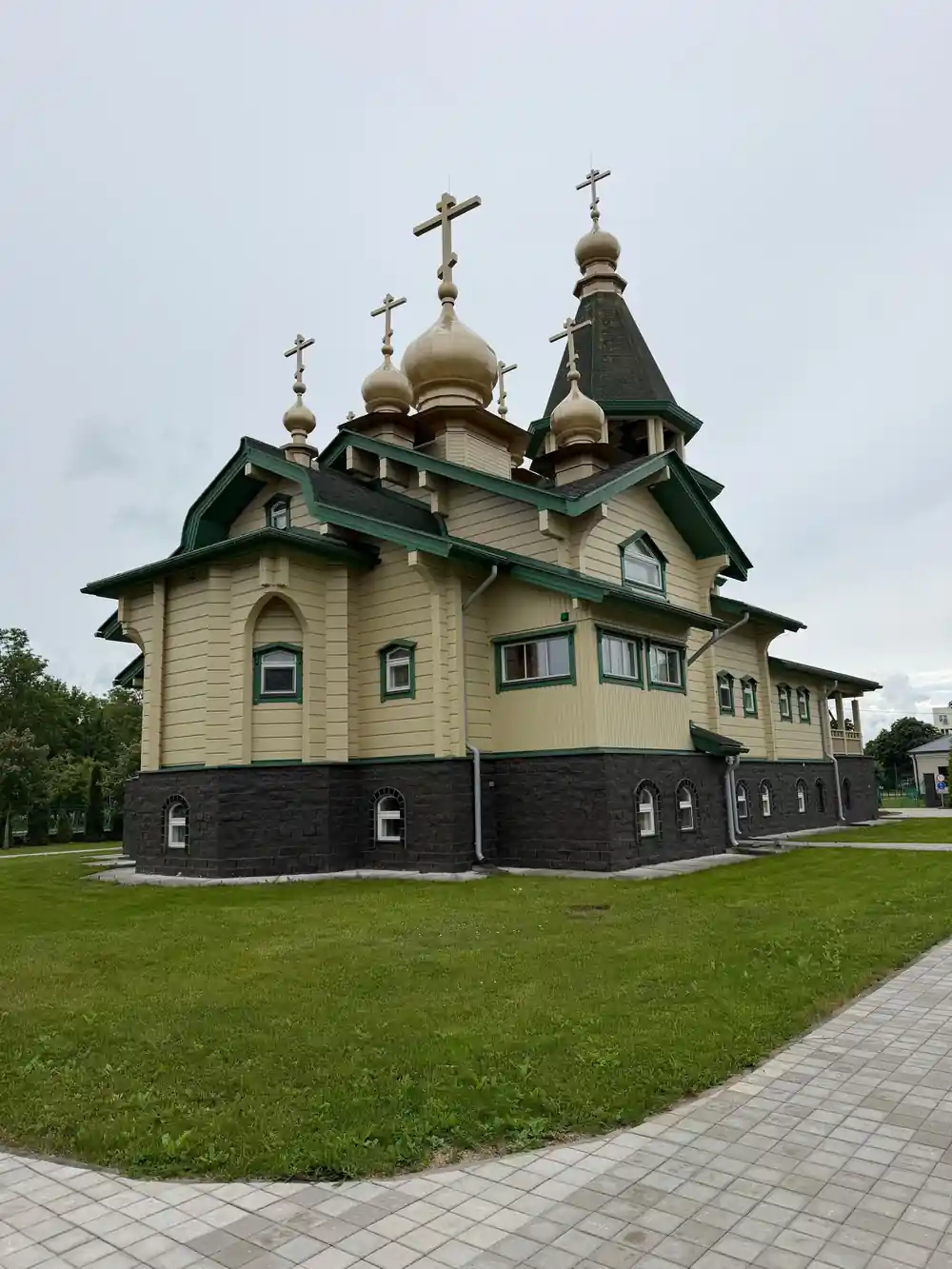
In Estonian the lighthouse is Paldiski tuletorn, the name you will see on road signs and maps. Around it the peninsula carries the marks of a guarded past: concrete walls, empty barracks, fences running through the trees, and roads that once led to places civilians were not allowed to go. Paldiski was a closed military town, and layers of that period are still visible around the harbour and on the way out to the cliffs. A guide's commentary is what turns those grey shapes into a story.
The same thread of history runs through Rummu quarry further east, where water filled a worked-out limestone pit after the nearby prison closed after 1991 and the pumps that kept the quarry dry were shut down.[7] The lake there reaches a maximum depth of 14 metres,[8] and walls and buildings from the quarry years show under the surface when the light is right. Rummu quarry is open all year round every day from 10:00 to 20:00.[2]
from US$144
Six hours, a small group and a route that takes in Pakri Lighthouse, Paldiski and Rummu quarry.[1]
Pakri Lighthouse Reviews and Choosing a Tour
Ratings are a rough guide rather than a promise, but they show which listings have been tested by enough people to say something. The tour booked here, Tallinn: Rummu Quarry, Coastal Cliffs & Keila Waterfall, is rated 4.76 from 133 reviews.[1] The Paldiski Soviet Era Sights and Rummu Quarry tour, which includes Pakri Cliff, is rated 4.15 from 6 reviews,[3] and the Pakri landscape conservation park and coast tour is rated 4.69 from 8 reviews.[4] The Jägala Waterfall and Harju County tour, a different route out of the city, is rated 4.86 from 114 reviews.[9]
Read the small print before you book. Group size matters on a windy cliff where everyone wants the same view: the tour booked here is limited to 7 participants and has a live tour guide in English,[1] while the Paldiski Soviet Era tour takes up to 8 participants and also has a live guide in English.[3] The tour booked here offers reserve now and pay later, with free cancellation up to 24 hours in advance for a full refund,[1] which makes a weather-dependent day easier to plan.
When to Visit the Pakri Cliffs and Lighthouse
Summer brings the longest days and the mildest wind, and it is the season when the quarry lake is at its most inviting. The summer water temperature at Rummu Quarry is 15.0 to 20.0 °C.[10] Warm is relative here: the Baltic takes the edge off a hot afternoon rather than offering a swimming pool, and the cliffs stay breezy whatever the forecast says. Late evenings are worth planning around, with light coming in low and sideways across the water.
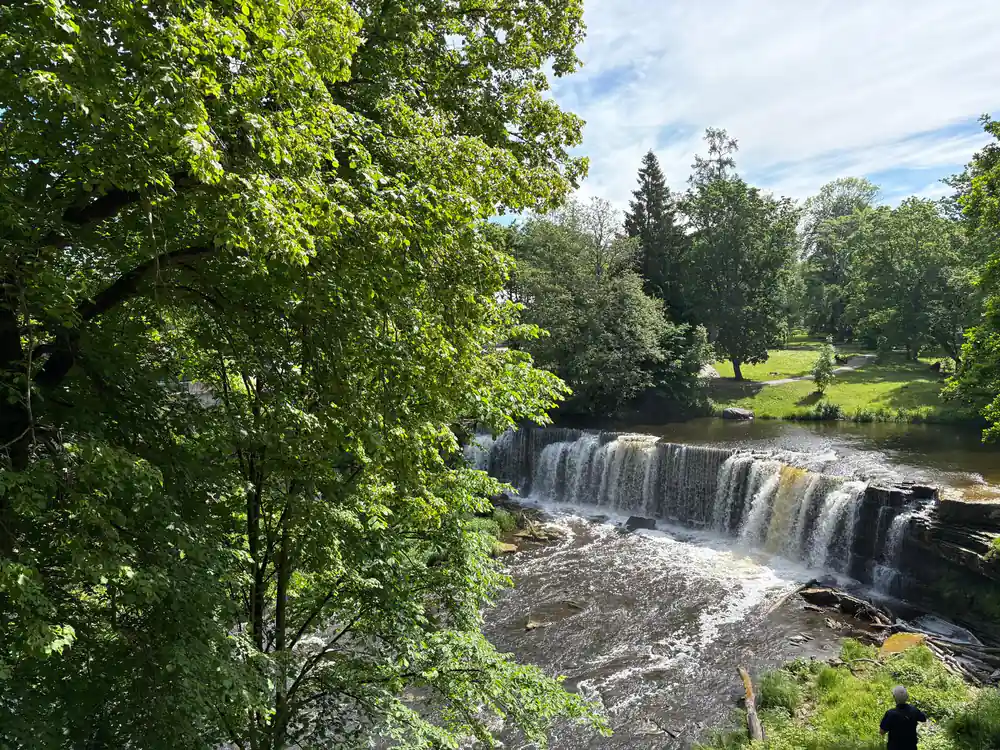
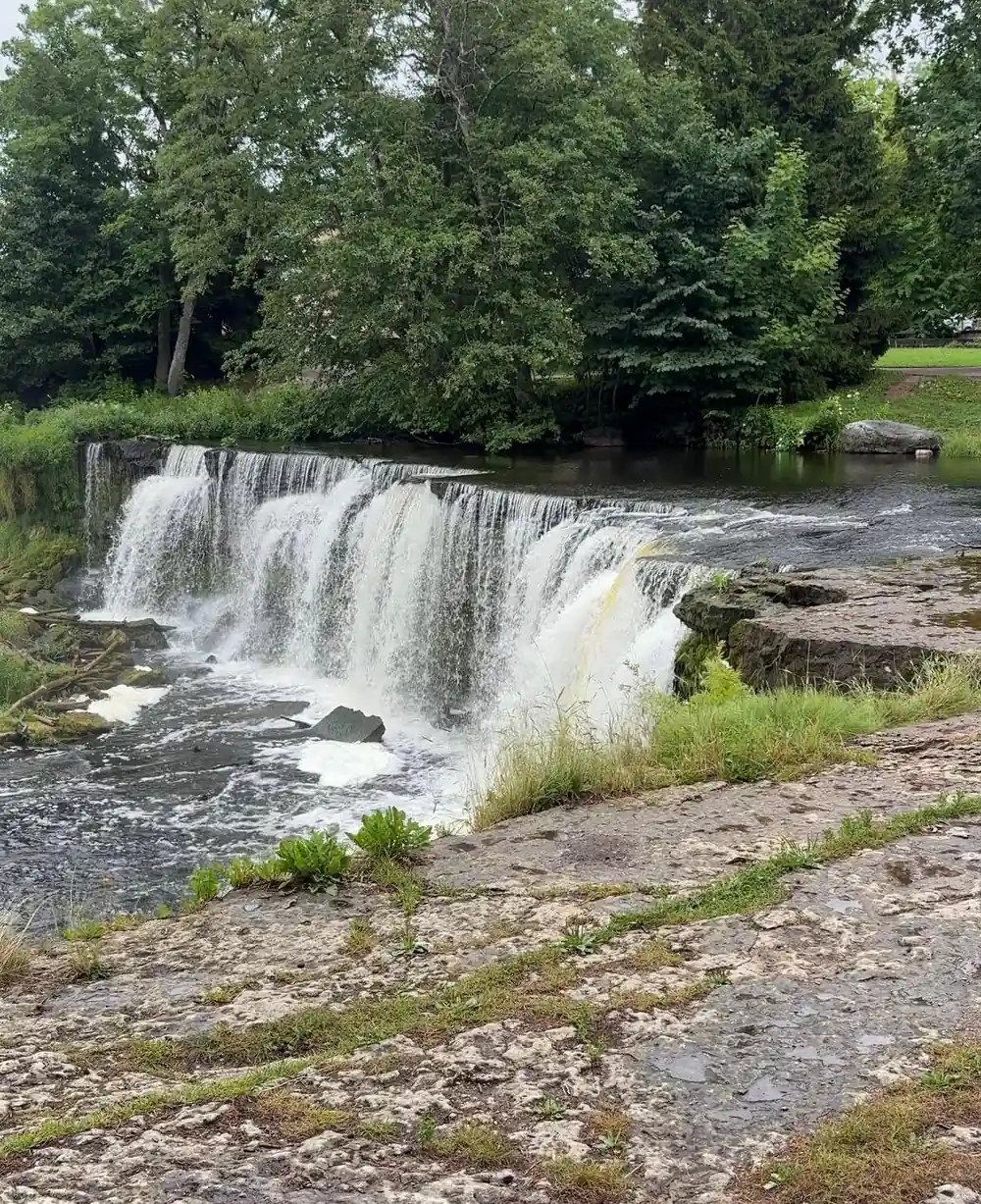
Winter changes the character of the trip. Rummu quarry is open all year round, every day from 10:00 to 20:00,[2] and when the lake freezes there is a skating rink on it. A ticket costs €10 per person or €20 per family and includes access to the Rummu quarry in winter, the skating rink, the prison and an audio guide.[11] Keila Waterfall, another stop on the coastal run, is 6 metres high, and a wide fall of water over a rocky ledge is a fine thing to see in cold weather.[12]
Practical Tips for the Pakri Lighthouse Stop
Dress for wind rather than for the temperature in Tallinn. The cliff edge is exposed, the air cools quickly when the sun goes behind cloud, and a jacket that felt unnecessary in the city will feel right out here. Sturdy shoes beat smooth soles on uneven, often wet ground. Stay back from the lip and use the paths. Loose blocks at the top of a cliff are part of how the edge retreats, and a photograph is not worth standing on one.
There are other ways to use the area if you have time either side of a tour. Rummu quarry is an unofficial and unguarded place for swimming or diving, where locals usually come to swim in summer,[13] and Rummu Diving & WaterSports organizes weekly dives for certified divers, along with open water dives for those whose courses are incomplete and full OWD courses.[14] Rummu Caravan Park, in Rummu Quarry, offers overnight accommodation for motorhomes, caravans and tents,[15] and sauna rituals are offered at Paekalda Holiday Center.[16]
One more thing to plan around: the weather in this corner of Estonia can turn quickly, and tours that spend the day outdoors adjust to it. Free cancellation up to 24 hours in advance applies to the tour booked from this site,[1] so a forecast you do not like is not a disaster. Book early in the high season if you want a specific date, and take the weather as it comes.
From prices on Tallinn day tours that reach this coast
From prices per person on the GetYourGuide listings[1][3][4][9].
Compare from prices for tours that reach the Pakri coast
From prices per person on GetYourGuide listings[1][3][4][9].
When to plan a Pakri Lighthouse day
Plan your Pakri visit
Pick a day tour
Choose a small group tour from Tallinn that lists Pakri Lighthouse or Pakri Cliff among its stops, rather than one that only reaches Rummu quarry.
Book your date
Reserve a place, check the meeting point, and note the free cancellation window in case the forecast turns.
Pack for wind
A windproof layer, grippy shoes and something for rain cover the coast in almost any season.
Travel west
The day starts in Tallinn and heads west through Suurupi and along the coast towards Paldiski.
Walk to the edge
At the lighthouse, step out, look along the cliff, and keep a safe distance from the lip while you take photographs.
See the Pakri cliffs and lighthouse on a small group day tour
from US$144Reserve now & pay later