In a nutshell
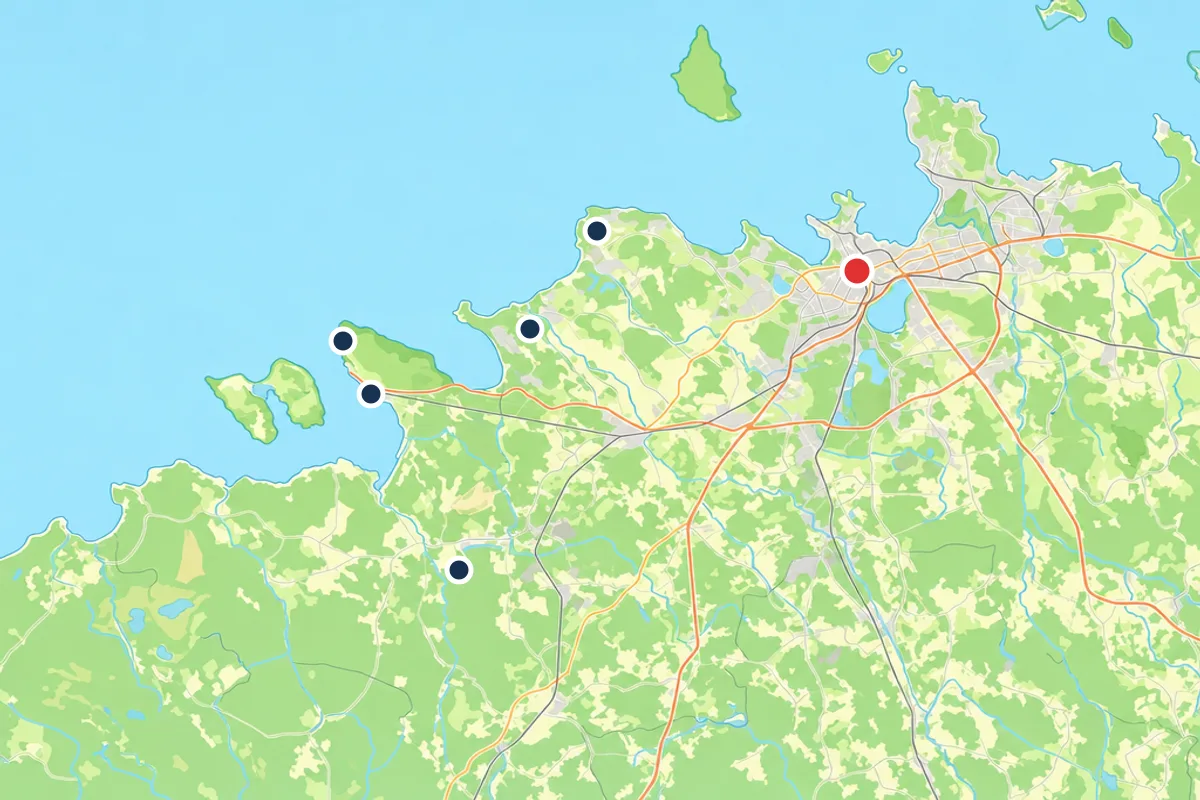
- The van runs from Tallinn to Suurupi, Keila Waterfall, Paldiski, Pakri Lighthouse and Rummu Quarry, then back to the city.[1]
- The day is listed at 6 hours, and starting times are not fixed, so check availability when you book.[1]
- A small group limited to 7 participants, with a live guide who speaks English.[1]
- From US$144, with reserve now and pay later and free cancellation up to 24 hours in advance for a full refund.[1]
- FlixBus runs 2 rides each day between Tallinn and Rummu if you would rather travel without a tour.[2]
- Top choice Rummu, Cliffs & Keila Falls from US$144 Duration6 hours[1]Group sizeSmall group, 7 max[1]Rating4.76 from 133 reviews[1]GuideEnglish[1]CancellationFree, 24 hours before[1] Check availability
- Jägala Waterfall & Harju from US$135 Duration4 hours[3]Group sizeSmall group, 7 max[3]Rating4.86 from 114 reviews[3]GuideEnglish[3]CancellationFree, 24 hours before[3] See this tour
- Pakri Park & Keila Falls from US$167 Duration5 hours[4]Group sizePrivate group[4]Rating4.69 from 8 reviews[4]GuideEnglish, Estonian[4]CancellationFree, 24 hours before[4] See this tour
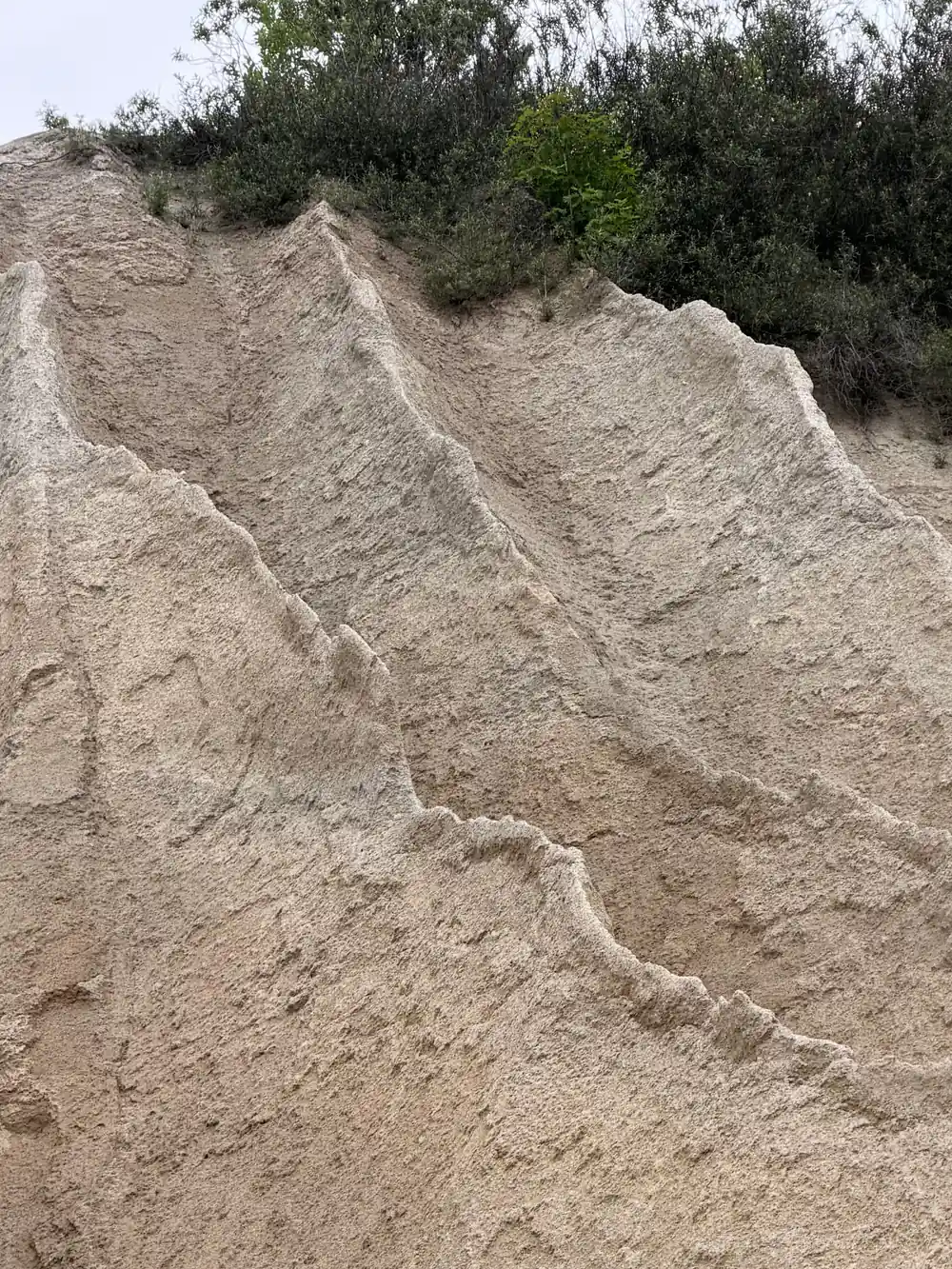
The stone has a beautiful whitish-grey colour, marble-like structure and texture, also it is easy to process. It is a detritic limestone that because of its structure is locally also known as "Vasalemma marble".
Is the Rummu Quarry day trip worth your day?
Know this first
- Leave the rest of the evening loose, the day is a full loop out of the city
- Reserve now and pay later, with free cancellation ahead of departure
- The group is small, so tell your guide what you most want to see
- Travel is by van between stops, with short hops along the coast
On the day
- Check availability for your starting time and be ready a little early
- Bring a windproof layer, the cliffs and the lake shore are exposed
- Shoes with grip for the path down to the waterfall
- Sunglasses and a hat for the open stretches along the coast
Pickup in Tallinn and the drive to Suurupi
The day is built as a loop, and the tour booked from this site starts with the van and a run west out of Tallinn. Suurupi comes first, then Keila Waterfall, then Paldiski, then Pakri Lighthouse, then Rummu Quarry, and finally the van back to the city.[1] The whole outing is listed at 6 hours, with a small group limited to 7 participants and a live guide who speaks English.[1] Starting times are not fixed in the listing, so check availability when you book and build your morning around the slot you are given.[1] You can reserve now and pay later, and cancellation is free up to 24 hours in advance for a full refund.[1]
The first stretch is not dramatic, and that is part of its charm. Tallinn's panel apartment blocks and warehouse edges slide past, then the road narrows into pine and birch with grey stone walls along the fields. Suurupi is a low, wooded stretch of coast, all juniper, moss and a stony beach where the Baltic appears as a flat band of grey or blue depending on the light. Bring a layer you can pull on the moment you step out of the van, because the difference between the warm cabin and the wind off the water is bigger than most people expect.
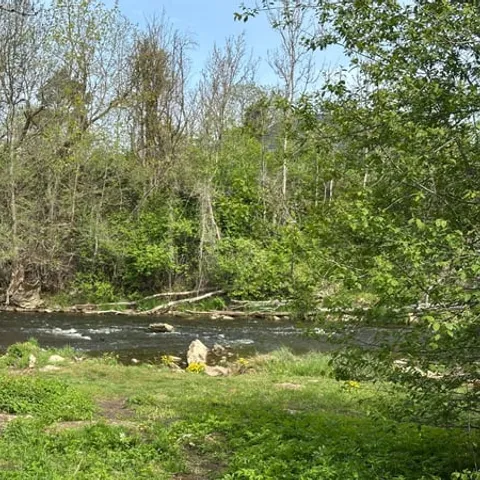
Keila Waterfall and the woodland paths
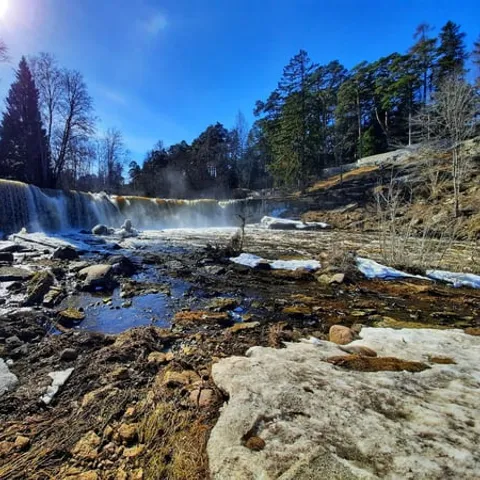
Keila waterfall is 6 metres high.[5] The water comes over a limestone ledge, and the fall sits in a wooded valley with paths along the river and a viewing area close to where the van stops. This is the stop where people slow down. The sound of the water carries through the trees, the air is noticeably cooler, and the light on wet limestone is a photographer's friend. Take the short walk along the bank if you have the time, and look at how the river has cut into the rock. The stone around here is layered and pale, and it turns up in walls and buildings across this part of Estonia.
The woodland is what makes this stop worth more than a quick photograph. Paths run under tall trees with the river always within earshot, and the ground is soft with leaf litter for much of the year. In spring the water runs high and fast, and by late summer it is quieter, with banks that smell of wet stone and moss. After rain the path can be slick, so shoes with grip matter more here than anywhere else on the route. Mosquitoes show up in warm, still weather near the water, which is worth remembering if you react badly to bites.
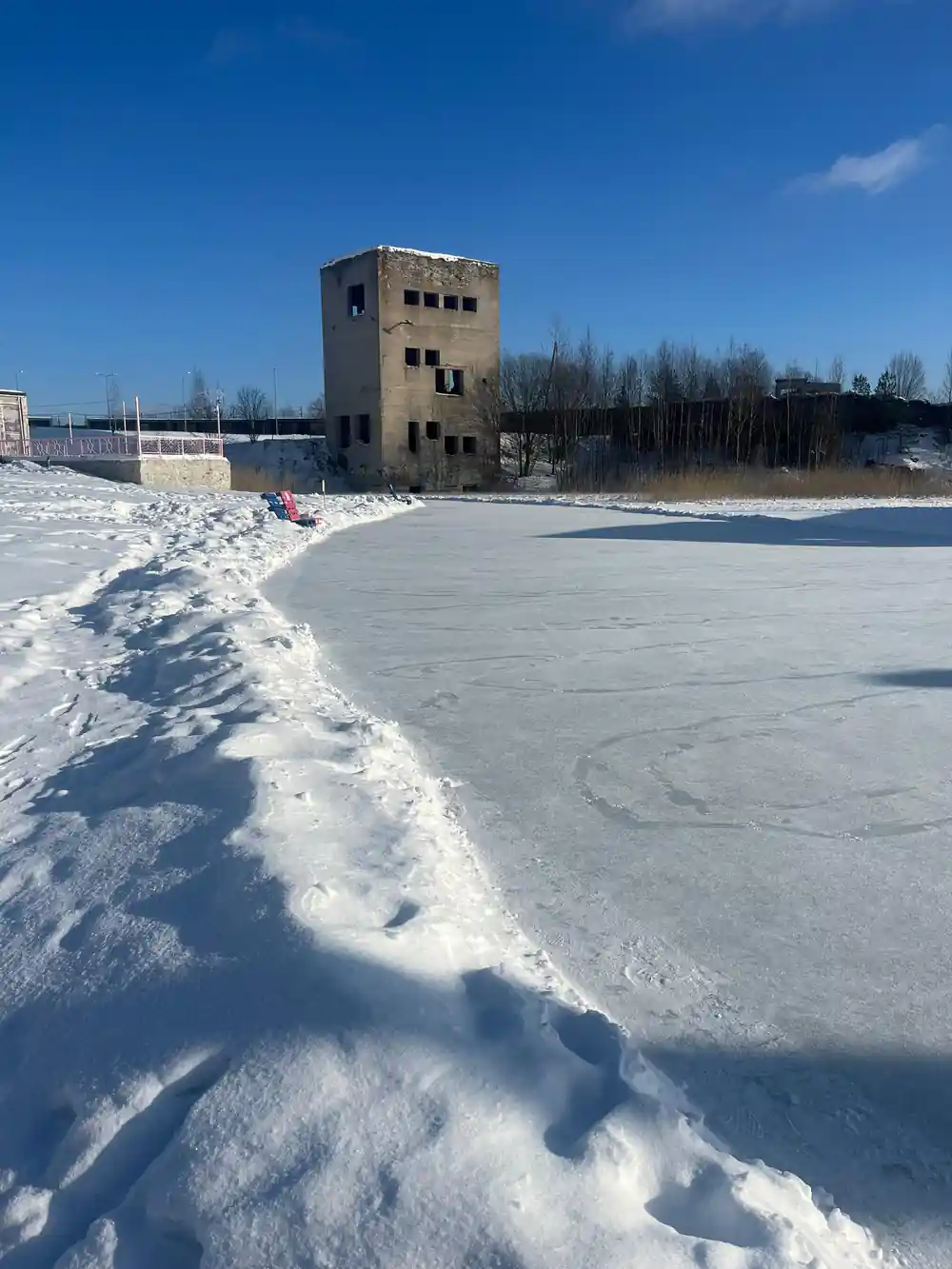
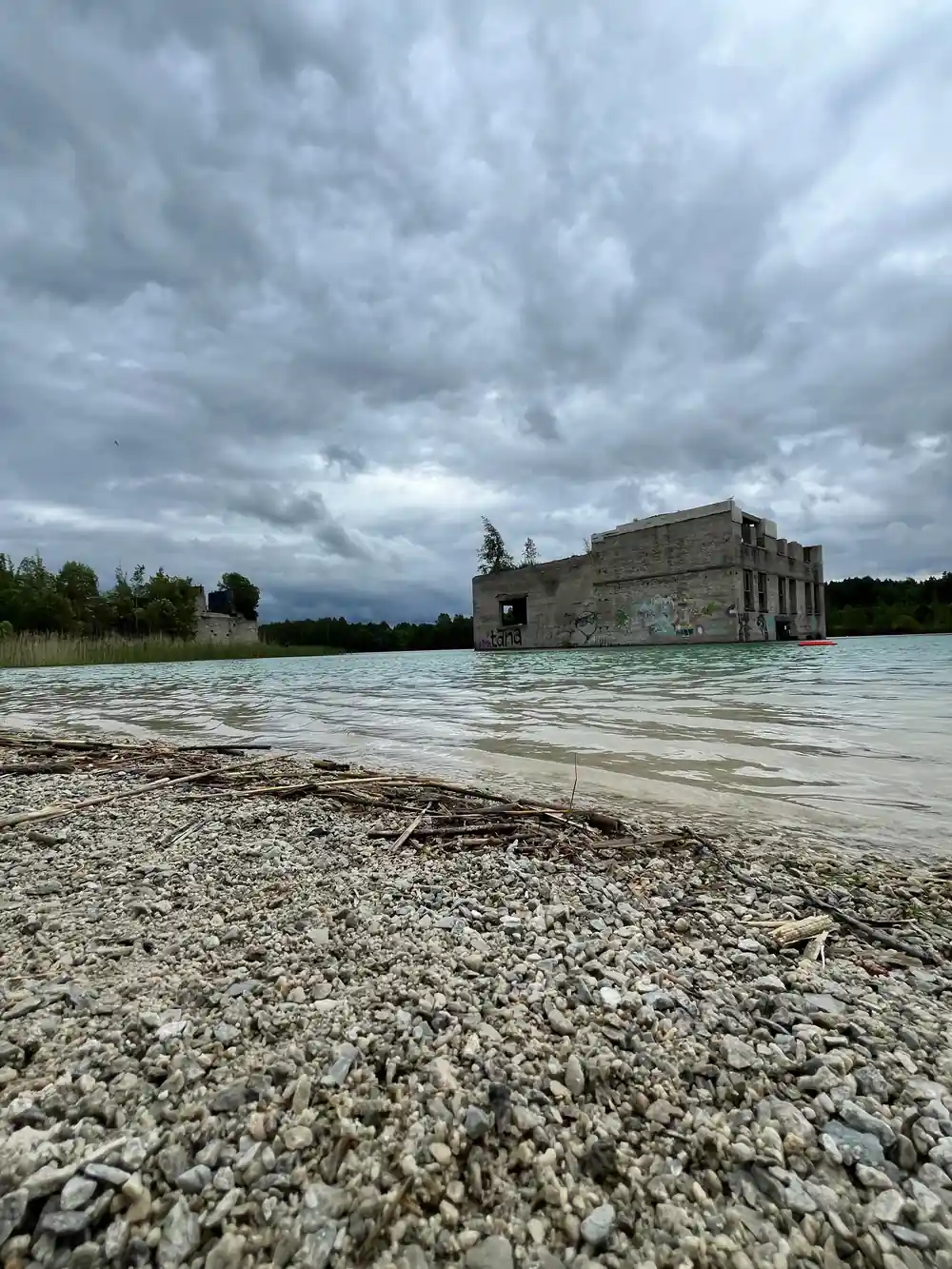
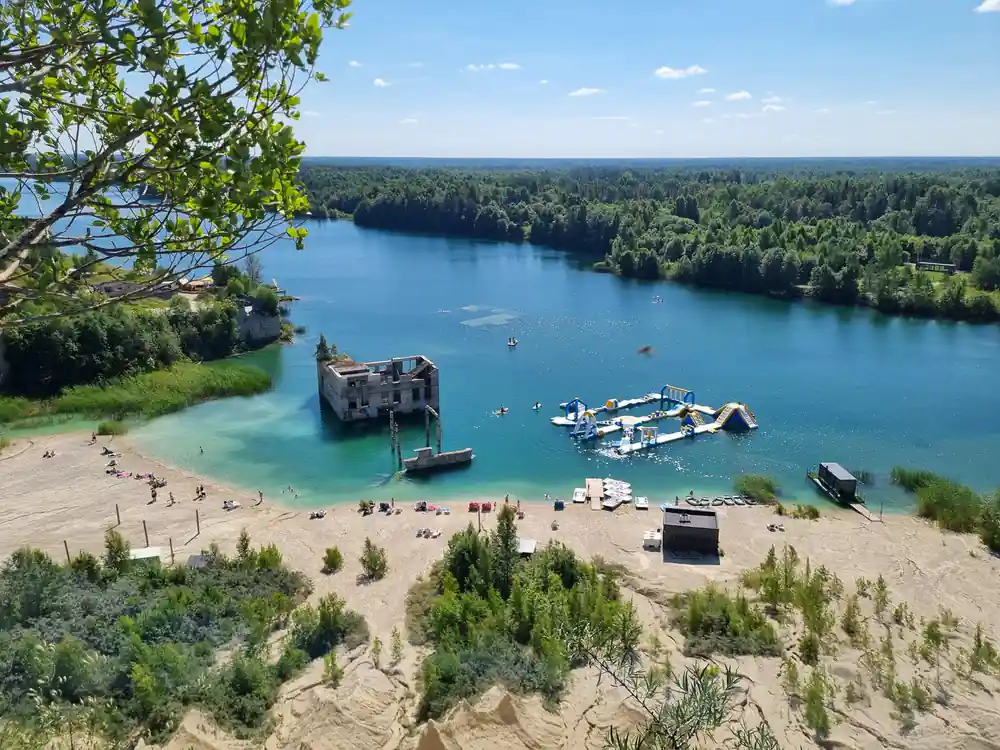
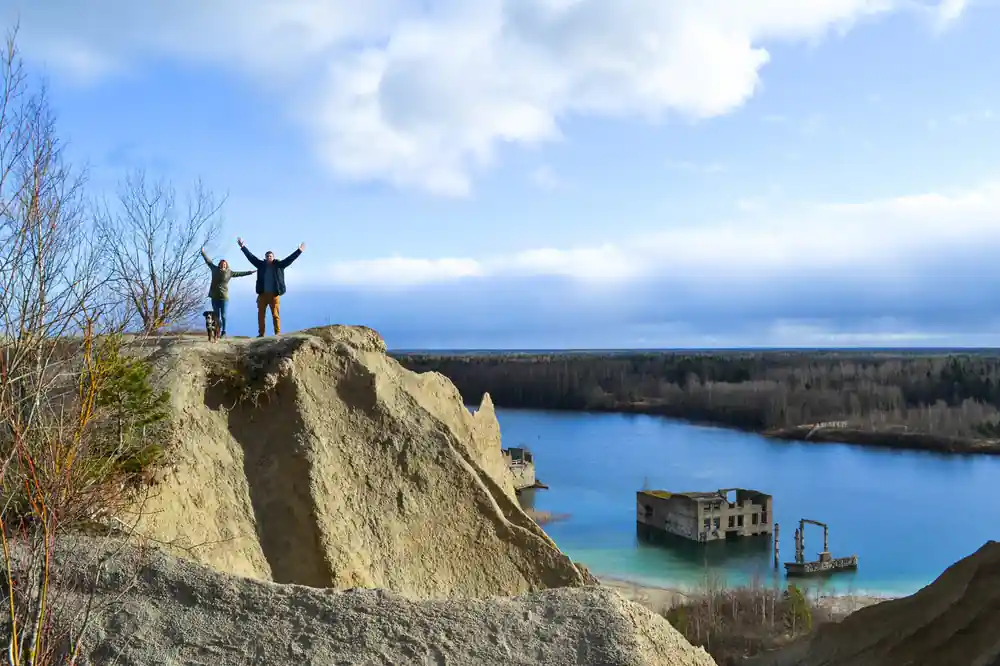
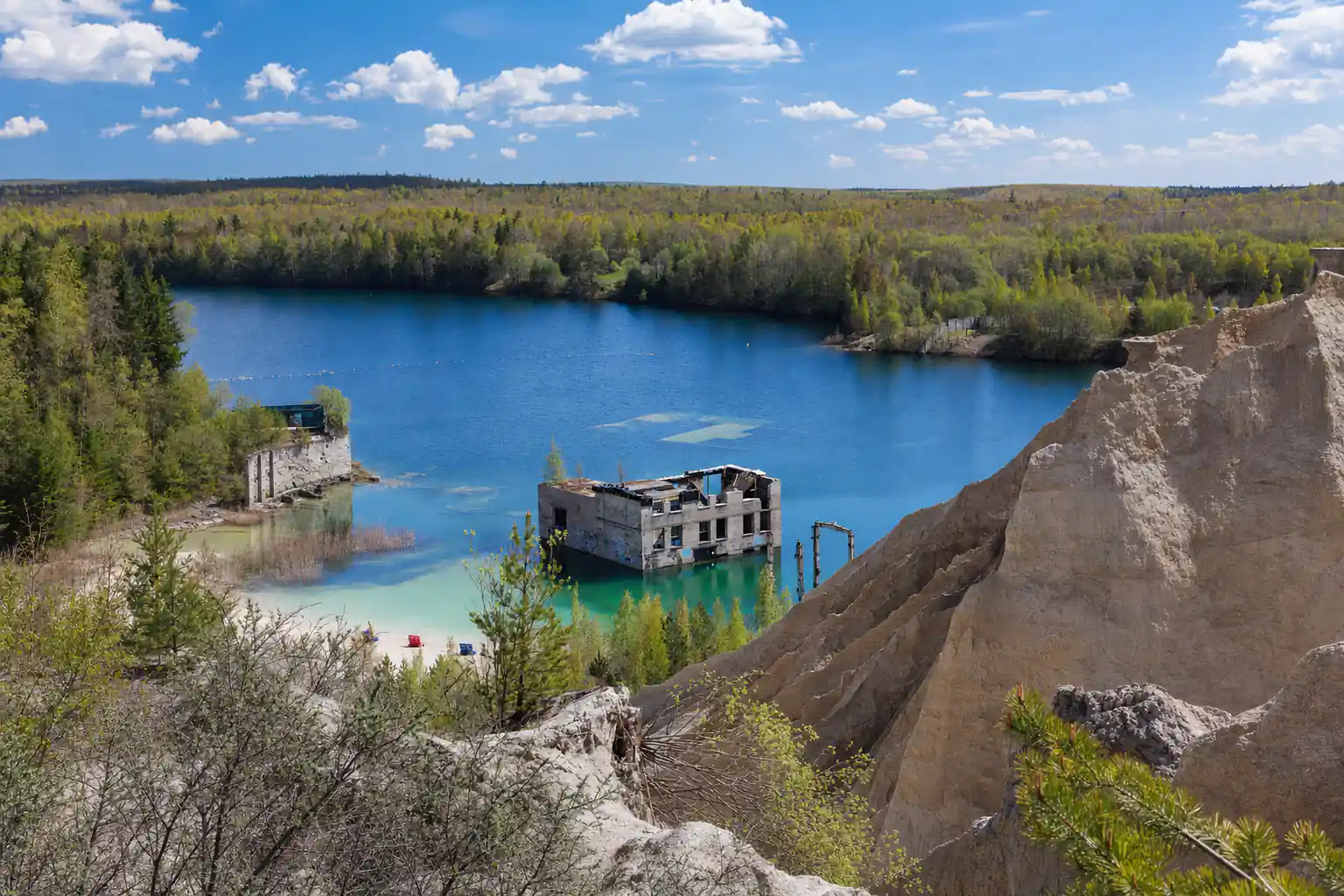
The day ends at the flooded quarry, with the old buildings still standing at the water's edge.
The coast road and the run to Paldiski
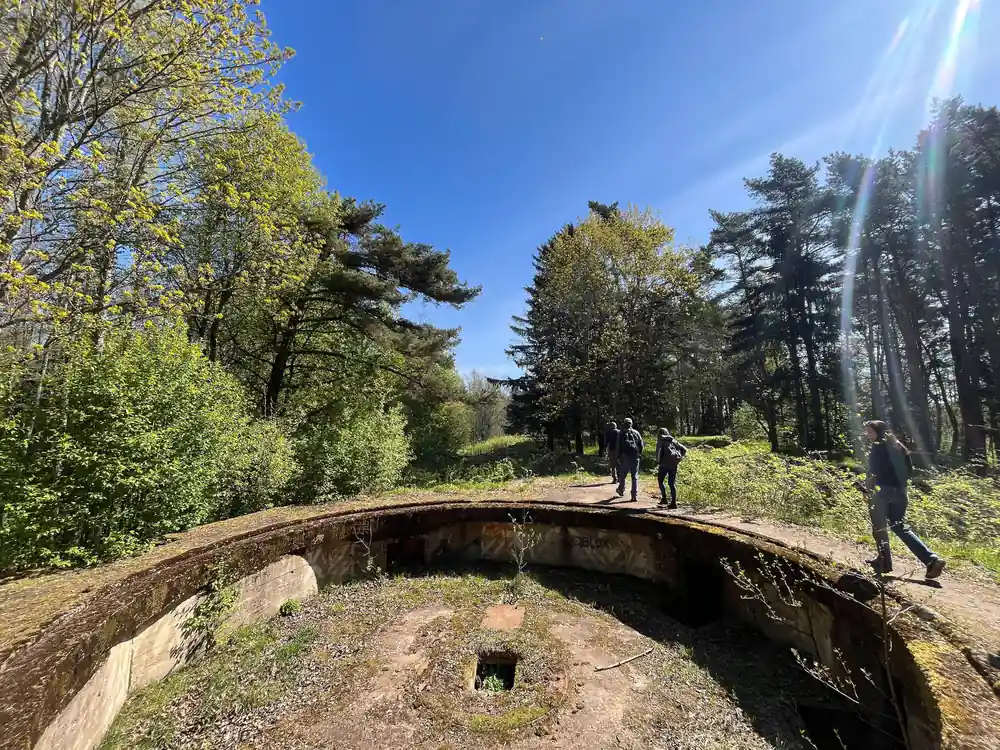
Back in the van, the route turns north and west toward Paldiski, and the drives between stops are short enough that the day never becomes a long haul. This is the part where the guide's commentary does the work, tying together the coastline, the old military land and the villages you pass through. For scale, a transfer from Rummu Quarry and Prison to Tallinn is listed at a total distance of 45 km and an estimated time of 50 min.[6]
If you are weighing up doing this without a tour, FlixBus runs 2 rides each day between Tallinn and Rummu.[2] The coast road out this way is flat, marshy in places, and lined with juniper and wind-bent pines. You pass traces of the Soviet period: concrete blocks, old fences, and low shapes of former military sites that are slowly disappearing into the scrub. Paldiski has the wide, ordered look of a planned military town, with big empty buildings and straight streets running down to the water.
Paldiski, Pakri Lighthouse and the clifftop
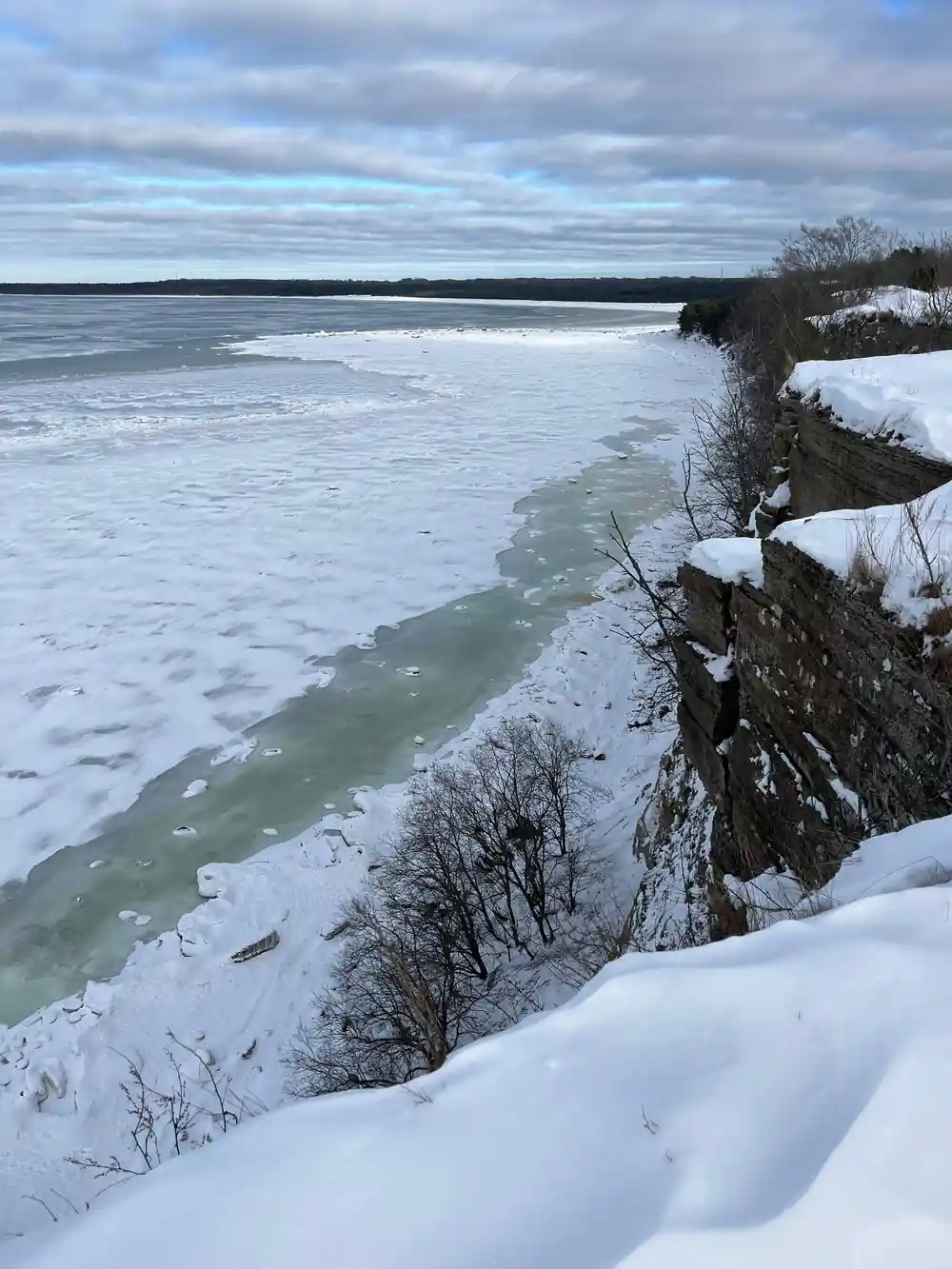
Paldiski and Pakri Lighthouse are two separate stops, with the van moving you between them.[1] The clifftop is the big draw here: a long edge of pale rock above the Baltic, with the lighthouse on the point and sea birds riding the updraughts. The local stone is Vasalemma limestone, a detritic limestone with a marble-like structure and texture that is also known locally as Vasalemma marble.[7] Close up it is pale grey, grainy and layered, and it weathers into the rounded shapes you see along the shore.
Wind is the thing to plan for. The cliff edge offers no shelter at all, and even a mild day in Tallinn can feel raw out on the point. Stand back from the edge, keep an eye on anyone who wanders, and give yourself a few minutes just to watch the water. Photographers will want the lighthouse in the frame with the sea behind it, and the light tends to be best late in the afternoon. Between Paldiski and the lighthouse there is room to stretch your legs and take your time.
from US$144
The tour booked from this site runs 6 hours with a small group limited to 7 participants and a live English speaking guide.[1]
Rummu Quarry and the flooded landscape
Rummu Quarry is the last stop and the one most people come for. The quarry began to fill with water after the nearby prison closed after 1991, when the pumps that once kept the quarry and the prison dry were shut down.[8] What is left is a sunken working landscape: pale limestone walls, flooded lower levels, and the concrete shells of buildings standing in the shallows. The maximum depth of the lake at Rummu quarry is 14 metres.[9] Rummu Quarry is open all year round every day from 10:00 to 20:00, and on the tour it is the final stop before the drive home.[1][10]
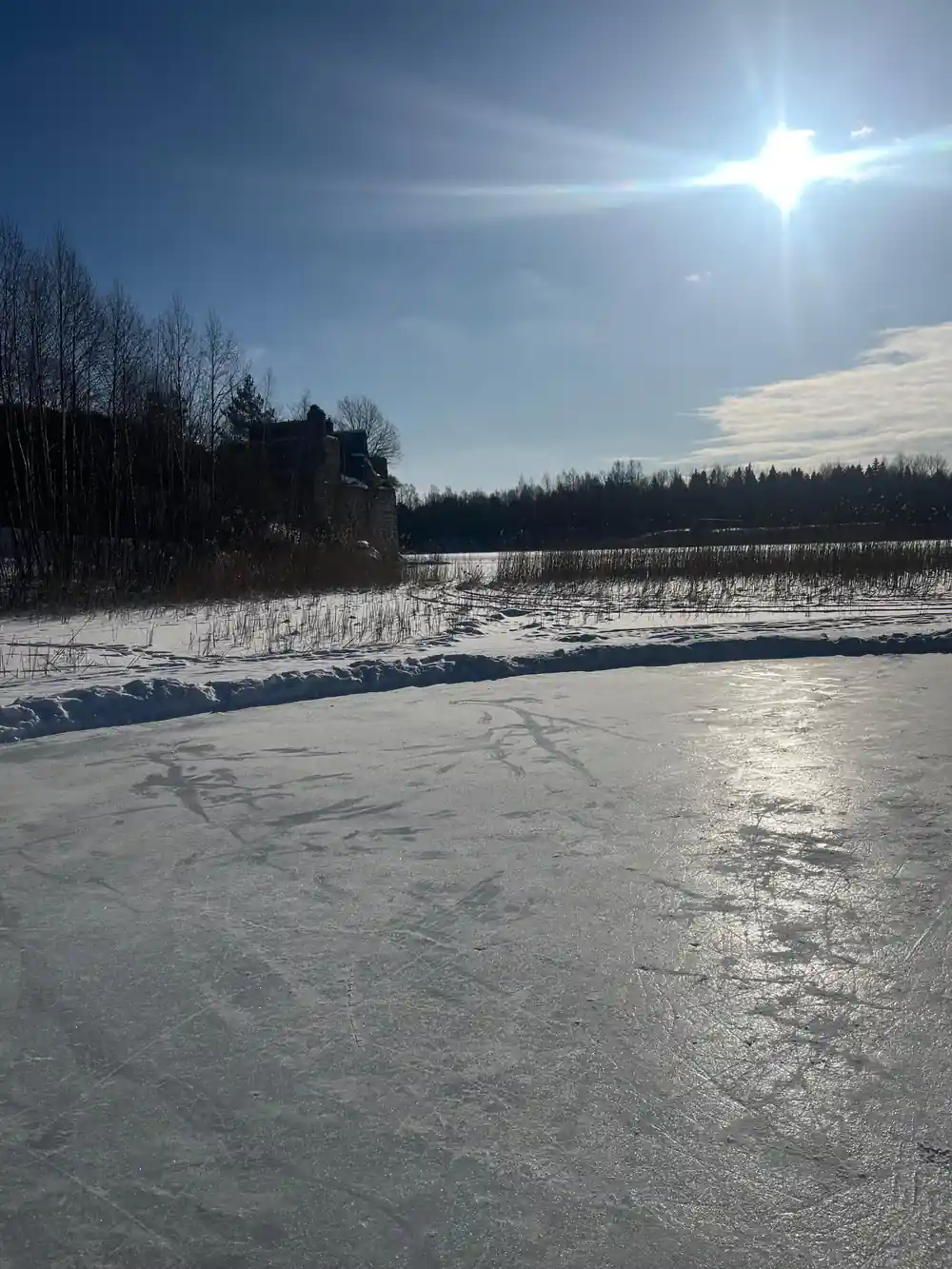
Swimming and diving happen here in an entirely informal way. Rummu quarry is an unofficial and unguarded place for swimming or diving, where locals usually come to swim in summer.[11] The summer water temperature at Rummu Quarry is 15.0-20.0 °C.[12] If you would rather dive than dip, Rummu Diving & WaterSports organizes weekly dives for certified divers, open water dives for those whose courses are incomplete, and full OWD courses.[13] Winter changes the place completely: a ticket to the Rummu skating rink costs €10 per person or €20 per family and includes access to the Rummu quarry in winter, along with the skating rink, the prison and an audio guide.[14]
The return van journey to Tallinn
The drive back is quiet. A long stretch of coast, forest and quarry tends to do that to a group, and the van usually fills with the sound of people comparing photographs. The route retraces the coast and then turns inland, and by the time the lights of Tallinn appear you have seen the shoreline, the waterfall, the cliffs and the flooded quarry in a single outing.[1] The itinerary runs 6 hours in total, so an early start leaves you the evening.[1] If you booked a later slot, plan a relaxed dinner rather than anything ambitious.
If you would rather not rush home, the area around the quarry has options for staying on. Rummu Caravan Park, located in Rummu Quarry, offers overnight accommodation for motorhomes, caravans and tents.[15] Sauna rituals are offered at Paekalda Holiday Center.[16] Staying over also means seeing the quarry in evening light and early morning, when the water tends to be flat and the site is quiet.
Weather, pacing and small practical calls
The Estonian coast does not do still, warm afternoons very often. Wind is the constant, and it can turn a bright day chilly within minutes of leaving the van. Pack a light waterproof, a warm mid layer and something for your head, then treat the forecast as a rough guide rather than a promise. Summer days are long and the light lingers late, spring and autumn bring quick changes and a lower sun, and winter strips the trees back and puts ice on the quarry.
Pacing is the other thing to think about. The route is fixed, but time at each stop is not carved in stone, and with a small group limited to 7 participants the guide can stretch a good moment or shorten a wet one.[1] Ask at the start which stops have toilets and where you might eat, and say so if you would rather walk further at the waterfall or spend longer at the cliffs. Eat something before you leave Tallinn and carry a snack for the gaps between stops. Bring a card or a little cash for coffee and ice cream along the way, and keep your phone charged for photographs.
Tour length, in hours
Durations as listed for each GetYourGuide tour.[1][3][4][17]
From prices per person, in US dollars
From-prices per person in US dollars as listed on GetYourGuide.[1][4][17]
When to lock in your date
Hour by hour on the road
Van from Tallinn
The tour booked from this site starts with the van and runs 6 hours in total. Check availability to see starting times.[1]
Suurupi and the coast
First stop is Suurupi, a low wooded shoreline where the Baltic opens up. Drives between stops are short.[1]
Keila Waterfall
Keila waterfall is 6 metres high, with a short walk from the van down to the river.[5]
Paldiski and Pakri Lighthouse
The route continues to Paldiski and then to Pakri Lighthouse, with open clifftop views over the sea.[1]
Rummu Quarry
The last stop is Rummu Quarry, a flooded landscape that began to fill after 1991.[1][8]
Back to Tallinn
The van returns to the city, closing a loop that takes 6 hours in all.[1]
Rummu quarry, coastal cliffs and Keila waterfall in a day
from US$144Reserve now & pay later