In a nutshell
- The quarry flooded after the prison closed and the pumps were shut down, leaving stairwells and machinery under the water.[1]
- The lake reaches a maximum depth of 14 metres, and summer water temperature at Rummu Quarry is 15.0-20.0 °C.[2][3]
- Rummu Quarry is open all year round every day from 10:00 to 20:00, so you can plan a morning or a late afternoon visit.[4]
- FlixBus runs 2 rides each day between Tallinn and Rummu, and a road transfer listing gives 45 km and an estimated time of 50 min.[5][6]
- The six-hour tour from Tallinn stops at Suurupi, Keila Waterfall, Paldiski, Pakri Lighthouse and Rummu Quarry, from US$144.[7]
- Top choice Rummu, Cliffs & Keila from US$144 Duration6 hours[7]Group sizeSmall group, max 7[7]Live guideEnglish[7]Rating4.76 from 133 reviews[7]CancellationFree cancellation, 24 hours before[7] Check availability
- Paldiski & Rummu Quarry from US$127 Duration7 hours[8]Group sizeSmall group, max 8[8]Live guideEnglish[8]Rating4.15 from 6 reviews[8]CancellationFree cancellation, 24 hours before[8] See this tour
- Pakri Park and Coast from US$167 Duration5 hours[9]Group sizePrivate group[9]Live guideEnglish, Estonian[9]Rating4.69 from 8 reviews[9]CancellationFree cancellation, 24 hours before[9] See this tour
The caravan park located in Rummu Quarry offers a unique opportunity to stay in the heart of one of Estonia's most special natural and cultural sites. Here you can enjoy a comfortable stop in a motorhome, caravan, or tent - always connected with nature.
Is Rummu Quarry Worth Half a Day?
Know before you go
Diving Among the Sunken Buildings
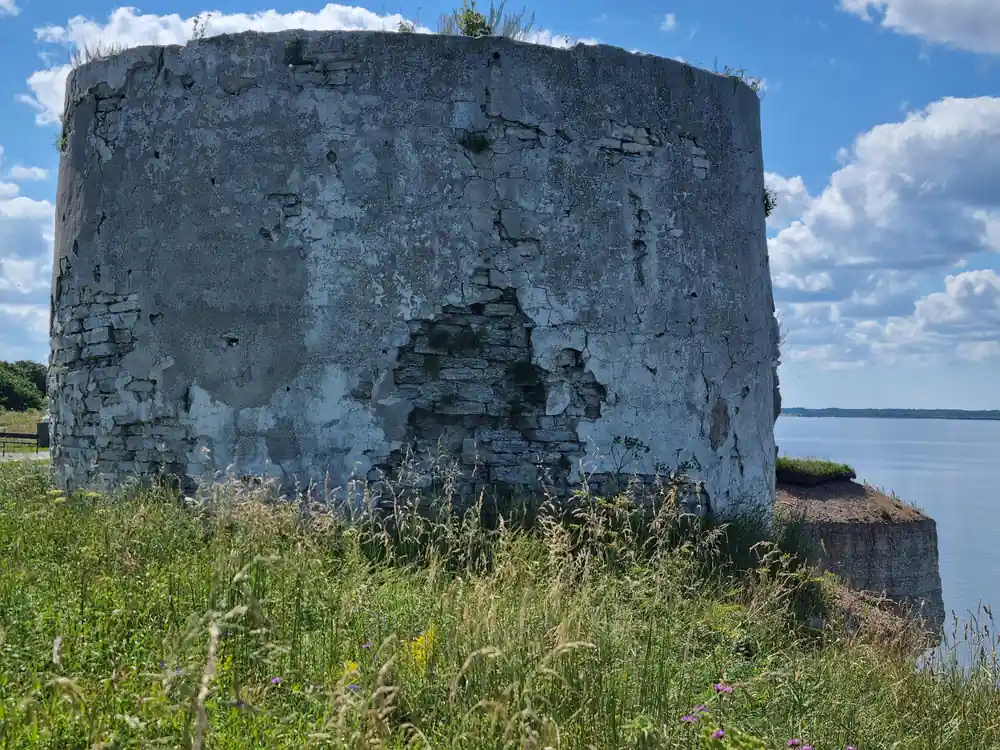
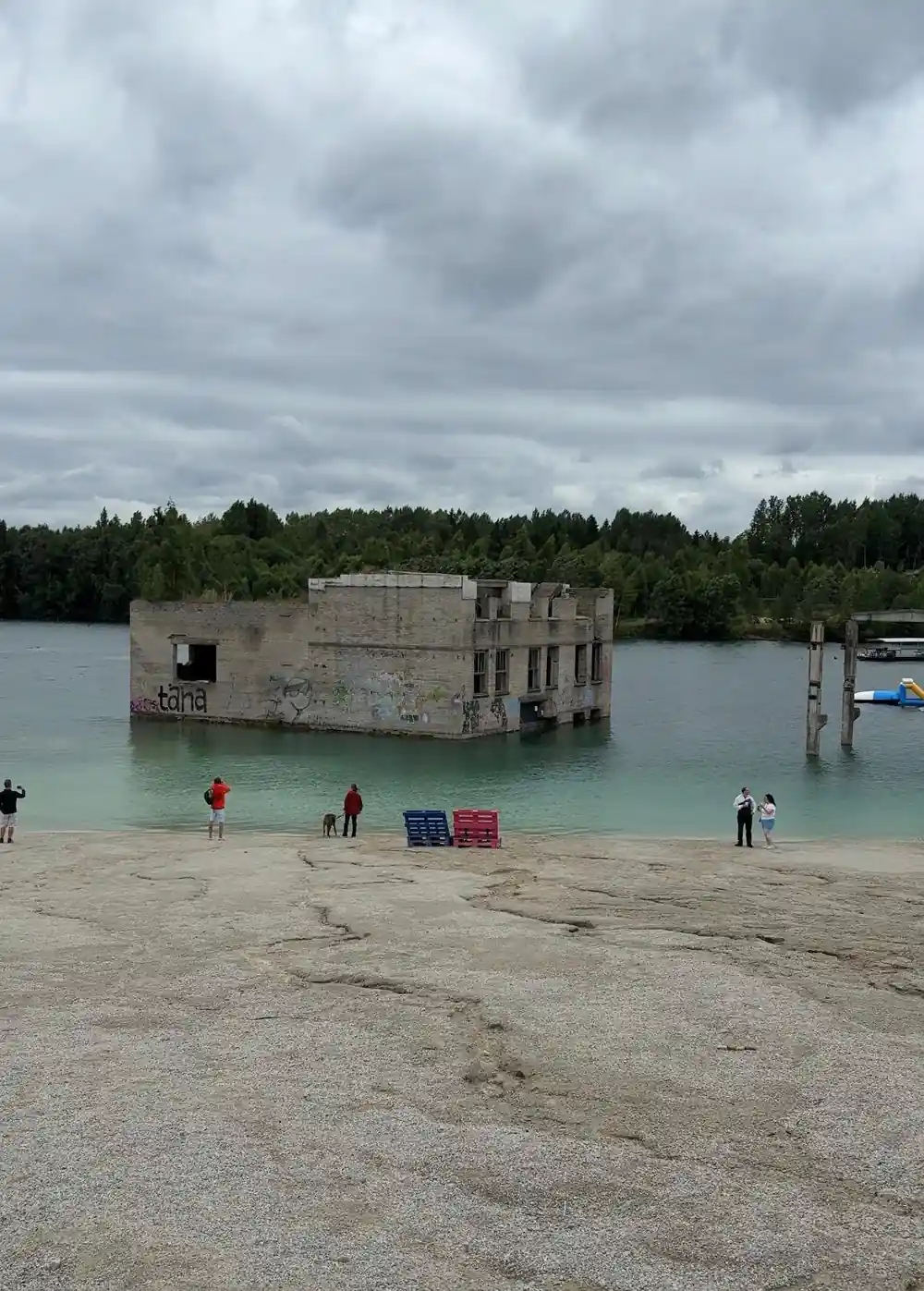
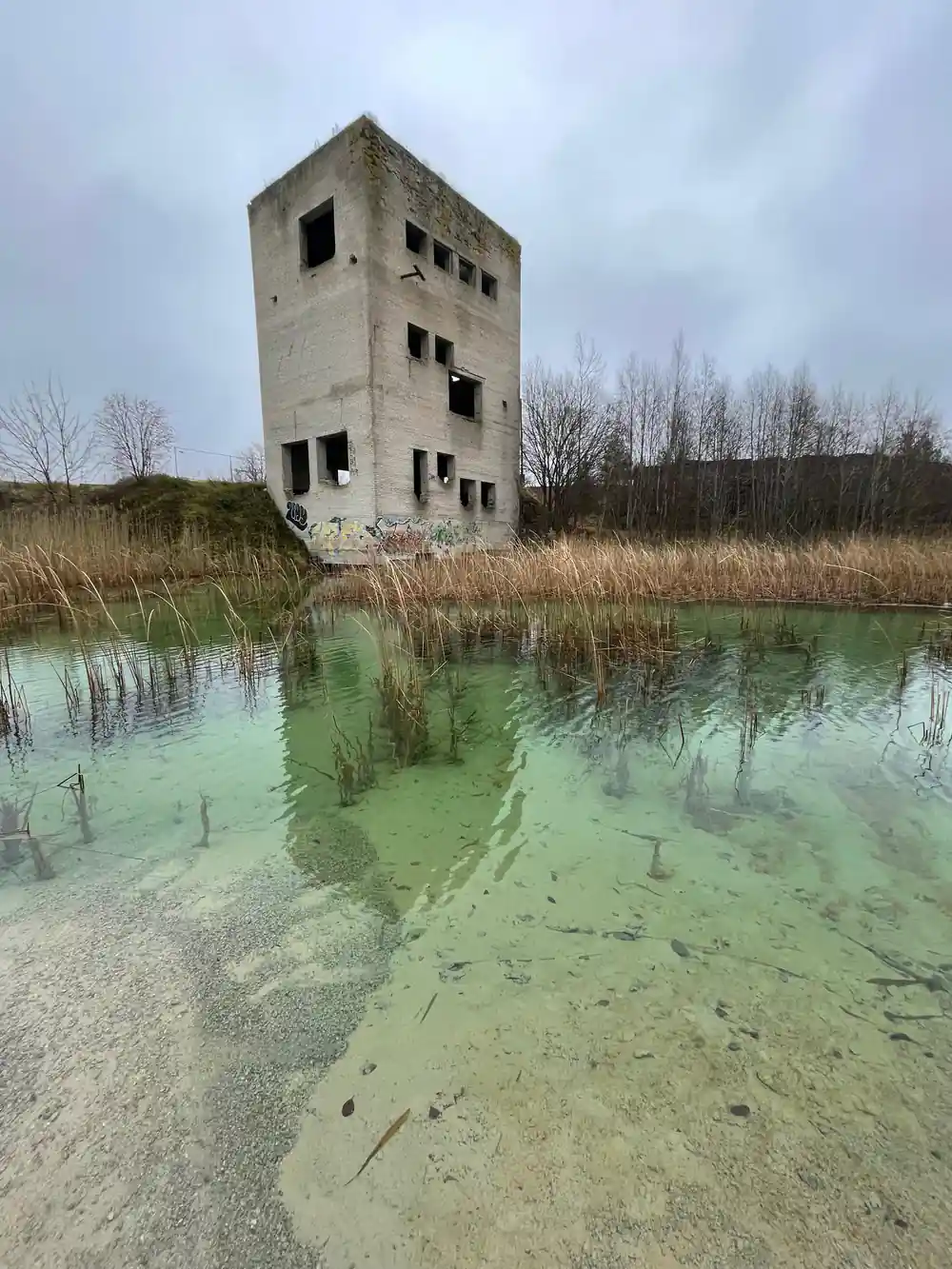
Rummu began as a limestone quarry worked with prison labour, and the place still reads that way: a pale wall of rock on one side, a flat sheet of green-blue water on the other, and the empty shell of the prison hanging over the edge. The lake is an accident of history. When the prison closed after 1991, the pumps that had kept the quarry and the prison dry were switched off, and water filled the pit.[1] Under the surface, rummu quarry diving has the feel of a flooded town: stairwells, pillars and old machinery still standing close to where they were left.
Certified divers have an organised way in. Rummu Diving & WaterSports organizes weekly dives for certified divers, open water dives for those whose courses are incomplete, and full OWD courses.[12] If you already hold a card, this is a site that rewards a slow lap along the walls rather than a fast swim, and a torch brings out the details on a dull day. If you have never dived, the courses run here are a gentle introduction rather than a rough-water challenge, with the shallow shelves near the beach doing most of the teaching. Bring a mask that actually fits your face and a hood if you feel the cold; a leaking hire mask spoils a dive faster than anything else.
Rummu lake: depth and water temperature
The lake at Rummu is shallow by sea standards, but it is not a paddling pool. The maximum depth of the lake at Rummu quarry is 14 metres.[2] The old quarry benches step down in stages rather than in one clean plunge, and that matters if you are swimming out with a child, a float or a snorkel in your mouth. The shoreline looks far more innocent from the beach than from the middle. Snorkellers get the best of the ruins along the shallower edges, where the walls still stand close enough to see without a long breath-hold.
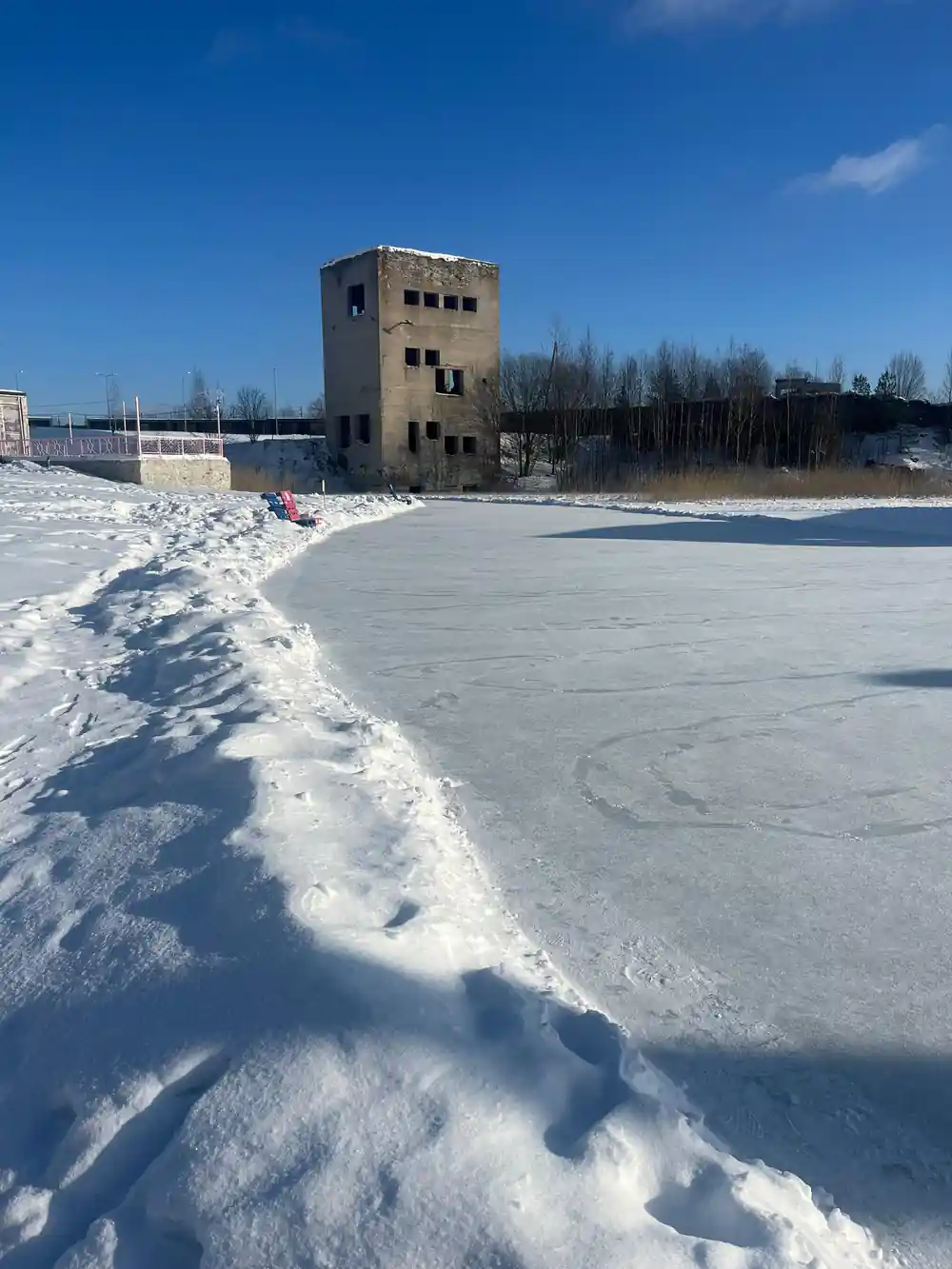
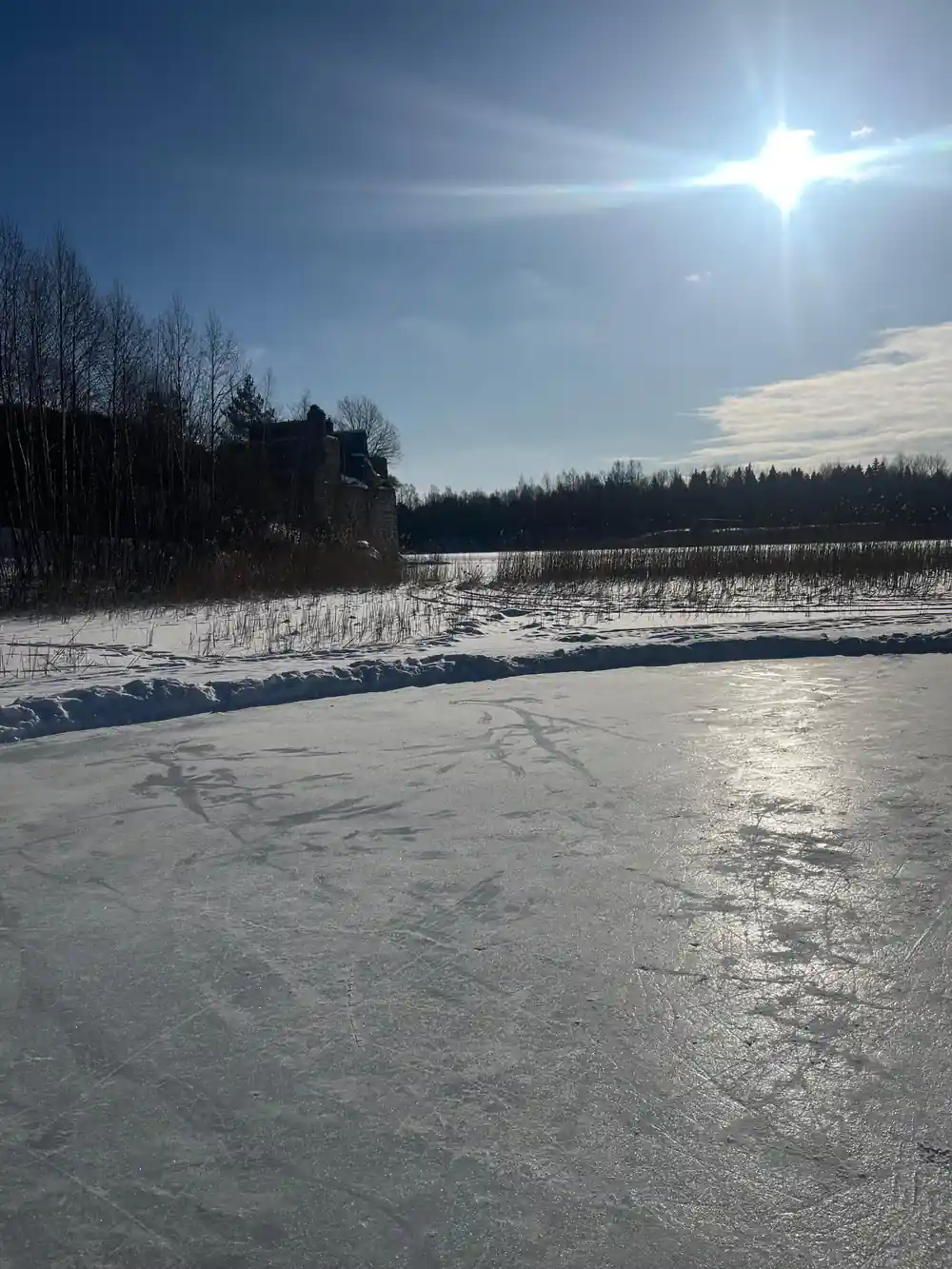
Summer water temperature at Rummu Quarry is 15.0-20.0 °C.[3] That is Baltic cool: comfortable for a quick swim, less comfortable for an hour of floating, and worth a wetsuit if you plan to stay in for a while. Even on a hot day the water takes your breath for the first few seconds. Walk in rather than jumping. In winter the same lake becomes water you photograph and skate on instead of swim in, and the pale slopes look even brighter against the ice. Whatever the season, useful kit means a towel, warm layers for afterwards and shoes you do not mind soaking.
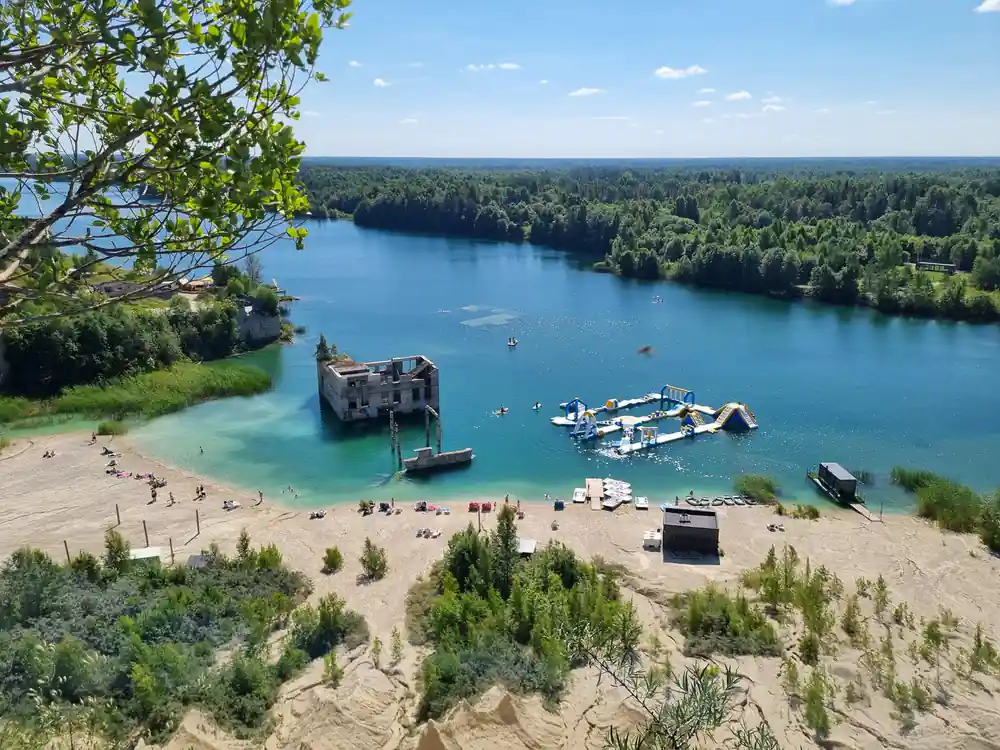
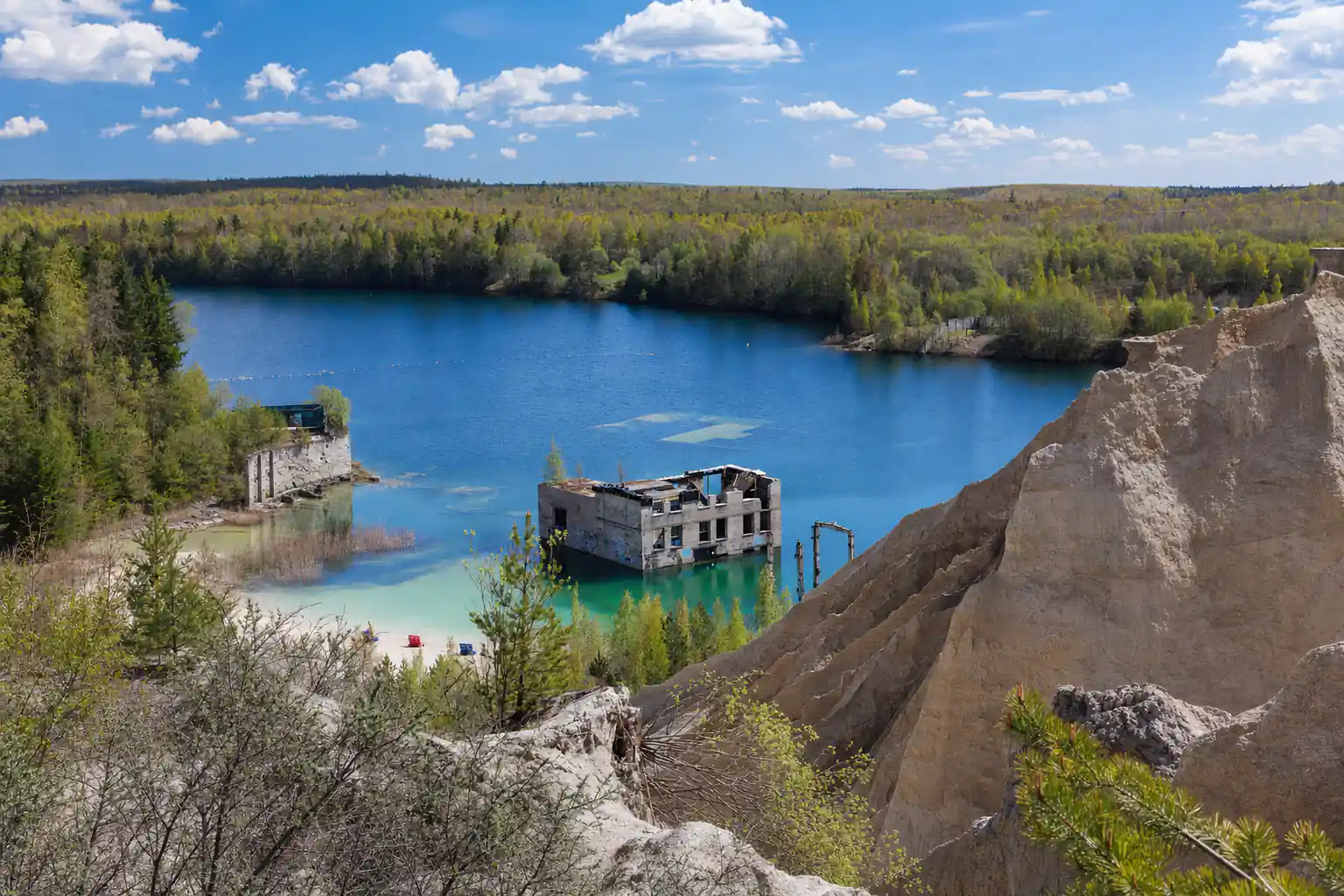
Turquoise water, pale spoil heaps and the shell of the old prison buildings.
The Wakeboard Cable Park
Not everyone comes to Rummu for the ruins. A cable park runs along one stretch of the shoreline, pulling riders across the water on a loop instead of behind a boat. It is a friendly place to try the sport for the first time: the cable keeps a steady pull, and you can start from the dock and work up to standing. Sessions are short and repeated, which means you fall, climb out, laugh and go again. Riding past a sunken prison building is part of the fun.
Beginners should expect to spend the first part of a session learning how to hold the handle and how to fall without fighting the water. Wear something you can move in that will not drag, and check the water before you commit. Wind changes the surface quickly, and a choppy afternoon is much harder work than a calm morning. Ask on site what is running that day and whether gear is available, as opening times and equipment are handled by whoever is running the cable that week.
Climbing the White Spoil Mountain
From the water, the white slope looks like snow that refused to melt. It is the quarry's own leftovers, a mountain of pale crushed rock piled up behind the lake, and in bright light it makes the far shore look almost tropical. Photography is the obvious draw, but the surface is loose underfoot and steep in places. The worn path is usually a better line than a direct scramble. Take the descent slowly: sliding gravel is the usual way people end up sitting down suddenly, and the view from half way up is nearly as good as the one at the top.
Estonian limestone is a more varied material than the name suggests. One local building stone, Vasalemma limestone, is a detritic limestone with a marble-like structure and texture, and locally it is also known as Vasalemma marble.[13] Quarry walls across this part of Estonia split into pale blocks and slabs, and the white dust from them gets into everything, from shoes to camera bags. From the top of the spoil heap, the whole site fits into a single frame: the water, the ruins, the beach and the long line of the coast behind you.
from US$144
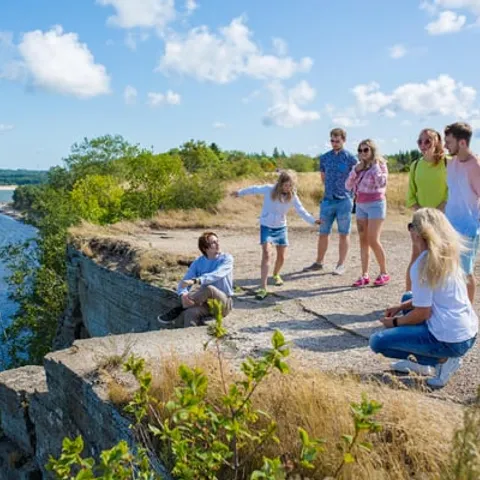
The six-hour small-group tour from Tallinn links Suurupi, Keila Waterfall, Paldiski, Pakri Lighthouse and Rummu Quarry.[7]
Permits, Guides and Local Rules
Rummu is not a managed swimming pool. It is an unofficial and unguarded place for swimming or diving, and locals usually come to swim in summer.[10] That freedom is a large part of the appeal. It is also a good reason to treat the lake with respect: look before you jump, keep an eye on your group, and do not assume that a calm surface means a clear bottom. If you want company on the water, join a dive session or a water sports tour instead of swimming alone.
The site keeps regular hours all year rather than opening by season. Rummu Quarry is open all year round every day from 10:00 to 20:00.[4] Inside those hours you can walk the grounds, swim from the beach and climb the white slope without a guide, and plenty of people do exactly that with a picnic, a camera and a pair of old trainers. Guided options are available too: the six-hour tour from Tallinn links Suurupi, Keila Waterfall, Paldiski, Pakri Lighthouse and Rummu Quarry, and it runs in a small group limited to 7 participants.[7]
Inflatables, Boats and Water Equipment
Paddleboards, kayaks and inflatables turn up on the quarry most warm weekends, carried in by visitors who want to drift over the shallower shelves. Keep an eye out for divers surfacing near the walls, give swimmers a wide berth, and stay clear of the cable park line. Inflatables are the least predictable craft in a breeze: what feels like a calm morning can push you across the lake faster than you expect. A leash, a pump and a plan for getting back are worth the extra weight in the car.
If you would rather not bring your own kit, plan around a swim or a dive instead, because no guided board tour is listed with our partners at the moment. A board suits travellers who want to be on the water rather than in it, and the sheltered basin is a forgiving place for anyone who has never used one before. Book any guided day ahead for summer dates.
Safety, Getting There and Day Tours
Cold water is the thing to plan around. Even in midsummer the lake is bracing, and a sudden plunge can take your breath away. Wade in slowly and let your body adjust before you swim out. Never swim alone at Rummu, and keep children within arm's reach on the beach. Underfoot, the quarry edges are uneven, with broken concrete and submerged walls close to the shore, and shoes that grip are a better choice than flip-flops if you plan to explore. A dry bag for your phone and a warm layer for afterwards make the day much more comfortable.
Getting there without a car is possible. FlixBus runs 2 rides each day between Tallinn and Rummu.[5] By road, a transfer listing for Rummu Quarry & Prison to Tallinn gives a total distance of 45 km and an estimated time of 50 min.[6] If you would rather stay the night by the water, Rummu Caravan Park, located in Rummu Quarry, offers overnight accommodation for motorhomes, caravans and tents.[14] Sauna rituals are offered at Paekalda Holiday Center.[15]
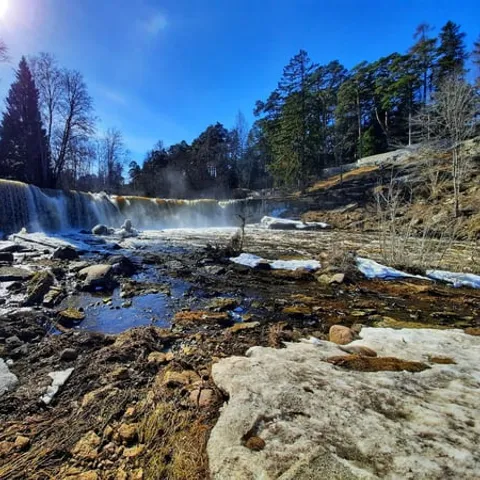
The guided day trip is the simplest way to see the quarry, the cliffs and the waterfall together. The Tallinn: Rummu Quarry, Coastal Cliffs & Keila Waterfall tour lasts 6 hours, has a live guide in English, and runs in a small group limited to 7 participants, from US$144.[7] Keila waterfall is 6 metres high.[16] Free cancellation is available up to 24 hours in advance, and you can reserve now and pay later.[7] In winter, tickets to the Rummu skating rink are €10 per person or €20 per family, and the ticket includes access to the Rummu quarry, the skating rink, the prison and an audio guide.[11]
Small-group size limits on Tallinn tours
Group size limits as listed on GetYourGuide for these tours.[7][8][17]
Rummu day tours from Tallinn, from-prices in US dollars
From-prices in US dollars as listed on GetYourGuide.[7][8][9]
When to plan your visit
Sorting out your Rummu day
Choose how you get there
FlixBus runs 2 rides each day between Tallinn and Rummu, or take a tour that drives you out and back.[5]
Pack for cool water
Summer water temperature is 15.0-20.0 °C. A wetsuit or a shorty makes long swims far more pleasant.[3]
Add the waterfall
Keila waterfall is 6 metres high and is a stop on the six-hour tour from Tallinn.[7][16]
Book the small-group tour
The Rummu, Cliffs & Keila tour is limited to 7 participants and starts from US$144.[7]
Plan a winter visit
The site is open all year round, and a winter rink ticket includes quarry access, the rink, the prison and an audio guide.[4][11]
Put Rummu quarry, the cliffs and Keila waterfall in one day
from US$144Reserve now & pay later