In a nutshell
- A six hour small group day from Tallinn, limited to 7 participants, with stops at Suurupi, Keila waterfall, Paldiski, Pakri Lighthouse and Rummu quarry.[1]
- Prices start from US$144 per person, the tour is rated 4.76 from 133 reviews, and you can cancel free up to 24 hours in advance.[1]
- Late spring and early summer bring nesting birds and orchids, while summer water at the quarry sits at 15.0-20.0 °C.[2]
- By road the transfer from Rummu Quarry and Prison to Tallinn is 45 km, an estimated 50 min, and FlixBus runs 2 rides each day between the two.[3][4]
- Rummu Caravan Park, inside Rummu Quarry, offers overnight accommodation for motorhomes, caravans and tents.[5]
- Top choice Rummu, Cliffs & Keila from US$144 Duration6 hours[1]Group sizeSmall group, limited to 7[1]Rating4.76 from 133 reviews[1]GuideLive guide in English[1]CancellationFree up to 24 hours before[1] Check availability
- Pakri Park & Coast from US$167 Duration5 hours[6]Group sizePrivate group[6]Rating4.69 from 8 reviews[6]GuideLive guide in English, Estonian[6]CancellationFree up to 24 hours before[6] See this tour
- Paldiski & Rummu Quarry from US$127 Duration7 hours[7]Group sizeSmall group, limited to 8[7]Rating4.15 from 6 reviews[7]GuideLive guide in English[7]CancellationFree up to 24 hours before[7] See this tour
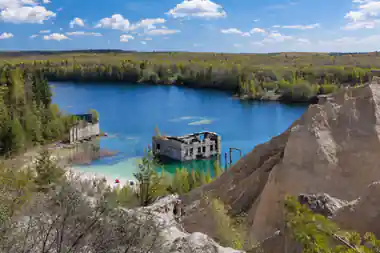
When the prison closed after 1991, pumps that once kept the quarry and the prison dry were shut down, causing water to fill the quarry.
Pakri cliffs and lighthouse country, seals and a flooded quarry
Know before you leave
Pakri Cliffs: A Funnel for Migrating Birds
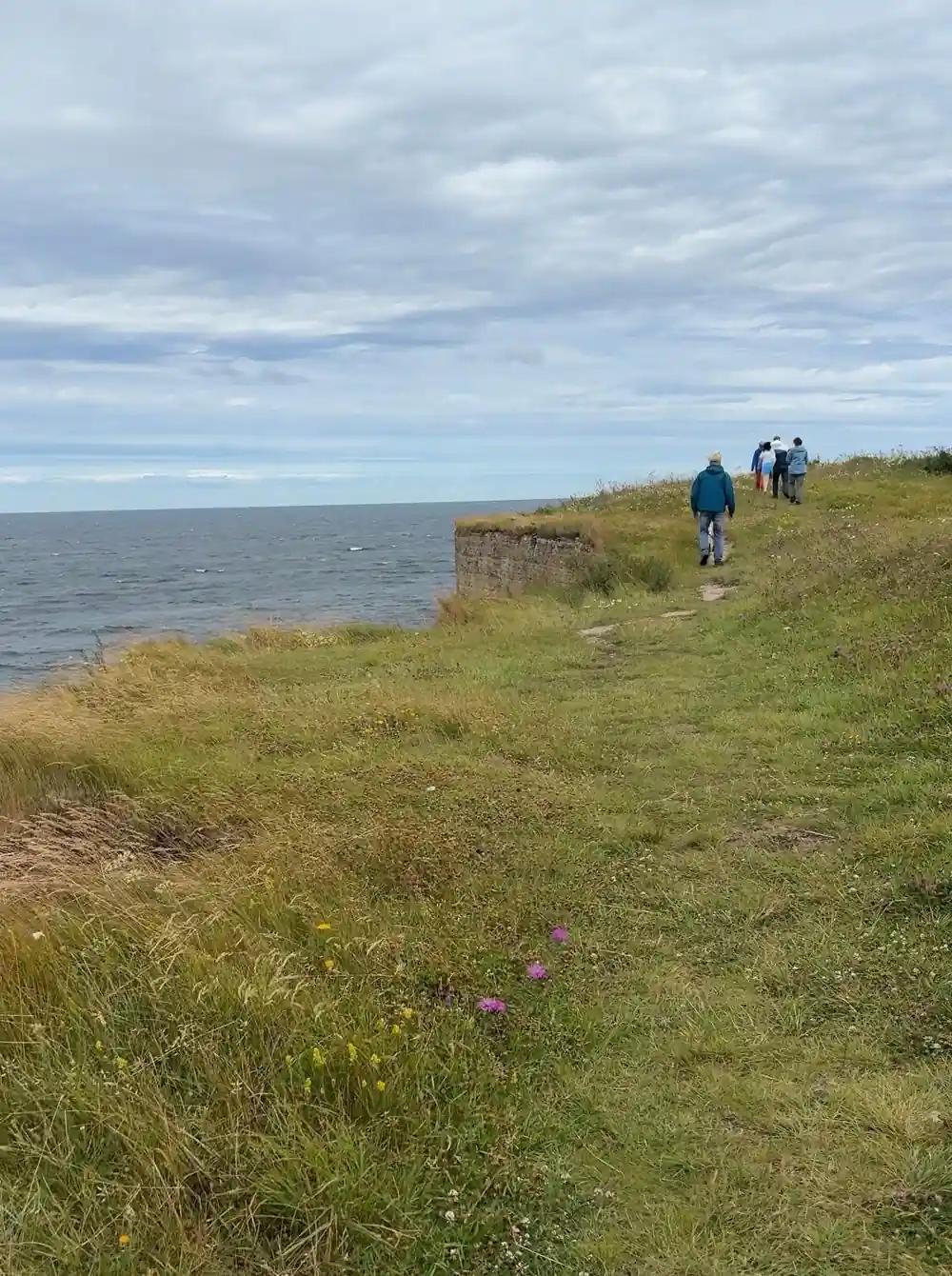
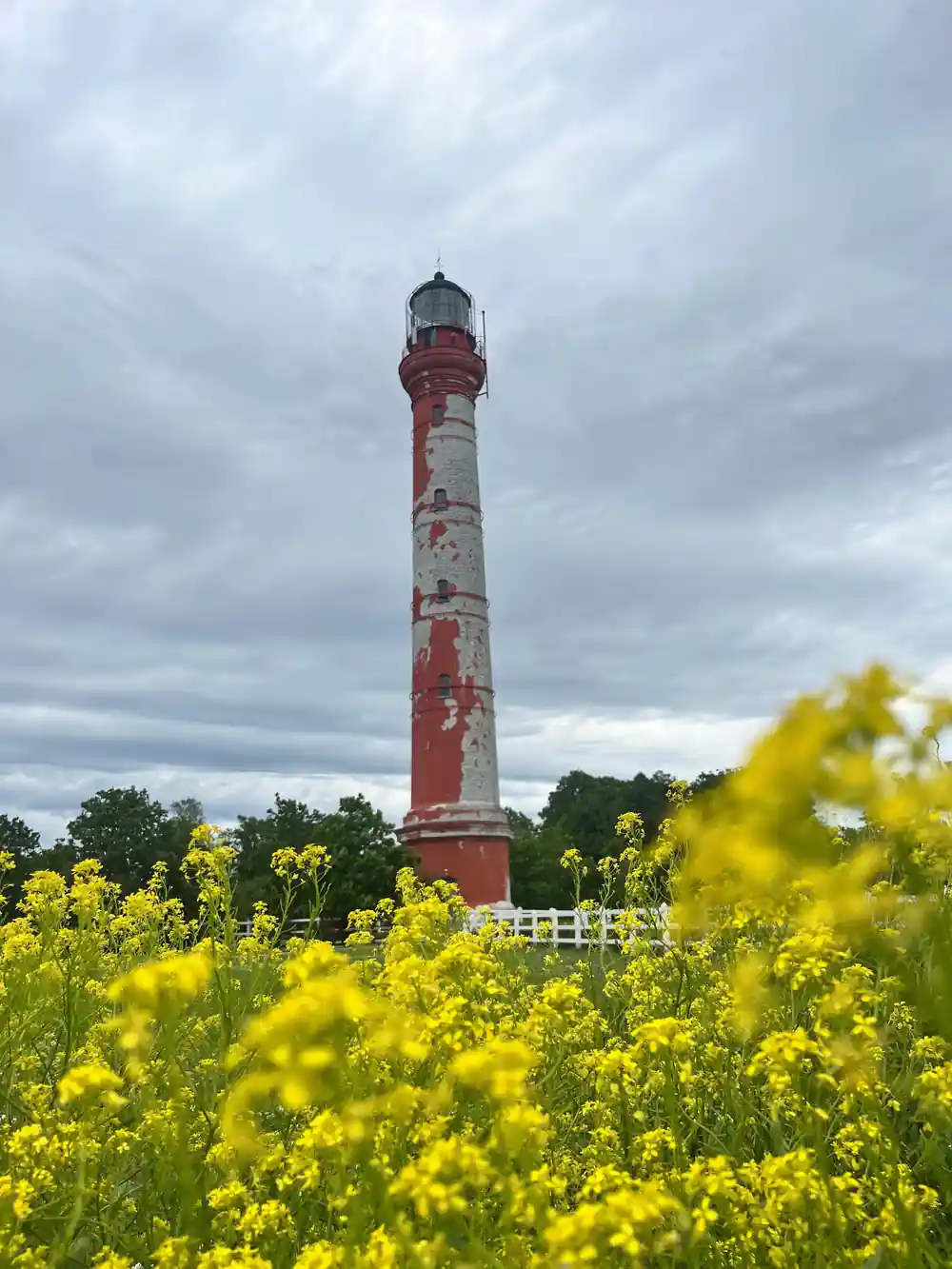
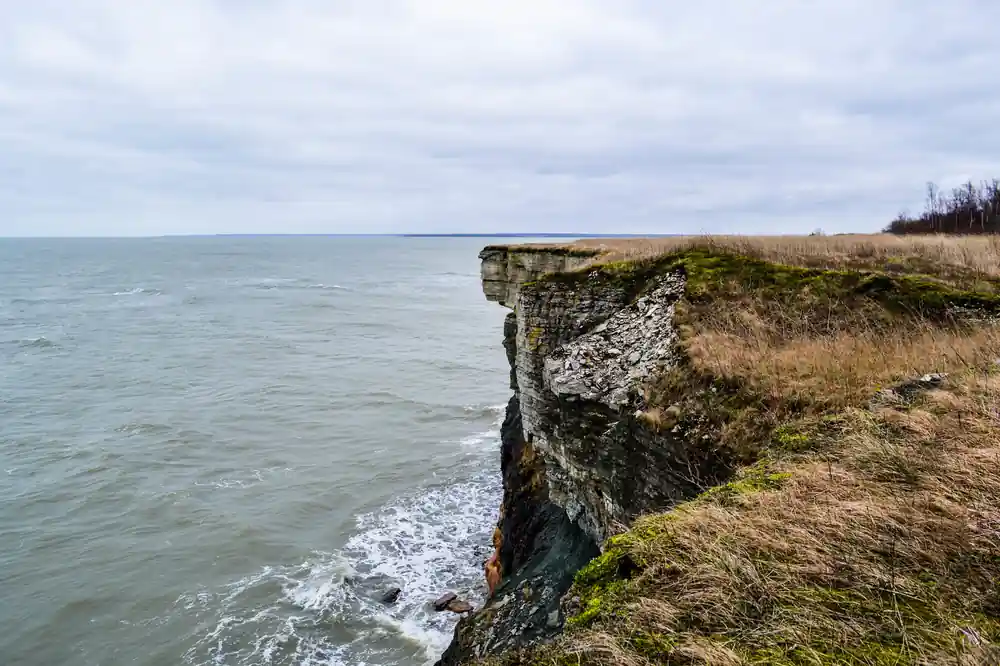
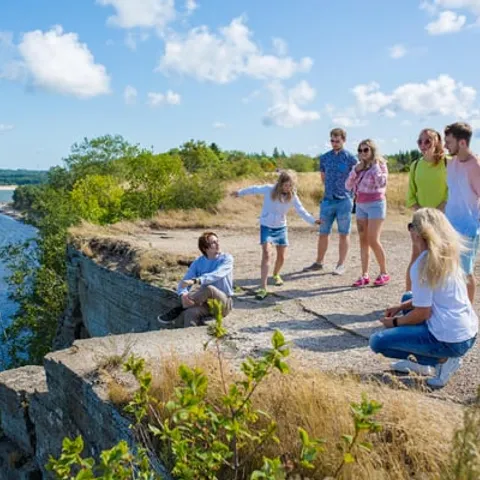
The Pakri peninsula ends in a line of limestone cliffs that drop into the Baltic. The rock is pale and layered, streaked with darker bands, and it runs along the coast west of Tallinn, where the land simply stops and the sea begins. Because the sea lies on one side and open country on the other, the cliff line acts like a funnel: birds moving along the coast in spring and autumn follow the edge instead of heading out over open water. Stand here for half an hour and you understand why people come with binoculars rather than beach towels. The day tour from this site stops at Pakri Lighthouse, which is the easiest place to stand and watch.[1]
Bring binoculars if you have them, and a spare layer even in high summer. Weather decides what you see here: a steady wind off the sea pushes birds close to the cliff, while a calm, clear day can leave the sky surprisingly empty. Watch where you put your feet as well. The edge is not fenced everywhere, long grass hides cracks, and loose rock is best left alone. A few minutes standing on solid ground beats a scramble for a better angle, and the light is kindest when the sun is behind you.
Grey Seals in the Gulf
Grey seals are the other reason to scan the water here. They haul out on low rocks and small islets offshore, lying in loose groups, and from a cliff top they can look like pale driftwood until one lifts its head. In calm conditions you see a dark head break the surface, then nothing, then the same head somewhere else entirely. A rising tide often brings them closer in, and the soft light of early morning or late evening makes them easier to pick out from the land.
Keep your distance and keep your voice down. Seals come ashore to rest, warm up and digest, and a group of people walking straight at a haul-out will push them back into the water. From the top of the cliff, good binoculars give you a better view than getting closer ever would, and the animals stay relaxed. If you are out on the water, let them decide how near they come, never steer between a seal and the open sea, and give mothers with pups a wide berth.
Limestone cliffs drop to the Baltic on the Pakri coast, with the lighthouse above and open water beyond.
Alvar Meadows: Rare Orchids on Limestone
Behind the cliff edge the land opens into thin, stony meadows on limestone, known here as alvar. In places the soil is only a hand's depth, so the plants stay small, tough and packed together: low sedges, drought-tolerant herbs, and mosses and lichens on bare patches of rock. Grazing and mowing keep these meadows open, and where that stops, juniper and pine move in and the flowers go with them. Vasalemma limestone, quarried inland from here, is a detritic limestone with a marble-like structure and texture, locally known as Vasalemma marble.[9]
Orchids are the reward of early summer, and they ask for slow walking rather than a quick lap of the car park. Look along the edges where short turf meets taller grass, and check the drier, stonier ridges where wind has kept scrub away. Stay on paths and tracks, do not pick anything, and keep dogs close, because these plants are easy to crush and slow to come back. A hand lens, or a phone camera used close up, will show you far more than a wide view.
Rummu Quarry: A Submerged Lake and Its Life
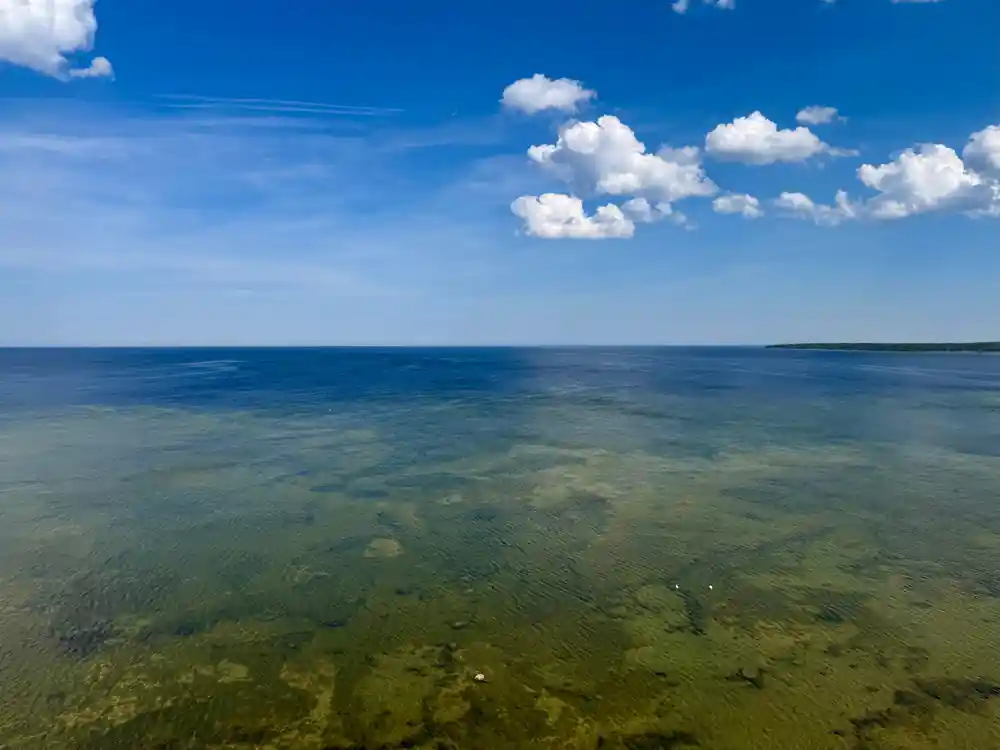
Rummu quarry is the strangest stop of the day. When the prison beside it closed after 1991, the pumps that had kept the quarry dry were shut down, and water filled the basin.[10] The lake now reaches 14 metres at its deepest point.[11] What you see is a flooded industrial landscape: sunken walls, half drowned buildings, spoil heaps and rusting machinery standing in clear green water, with forest creeping over the terraces above.
The lake is popular with locals, who usually come to swim in summer. It is an unofficial and unguarded place for swimming or diving, so treat it as wild water and make your own judgement.[8] Summer water temperature is 15.0-20.0 °C, which is bracing rather than balmy.[2] Divers get more out of it than swimmers: Rummu Diving & WaterSports organizes weekly dives for certified divers, open water dives for those whose courses are incomplete, and full OWD courses.[12]
Rummu Quarry is open all year round, every day from 10:00 to 20:00.[13] In winter the skating rink ticket includes access to the quarry, the rink, the prison and an audio guide.[14] If you want to stay the night, Rummu Caravan Park, in the quarry, offers overnight accommodation for motorhomes, caravans and tents.[5] Coming under your own steam, FlixBus runs 2 rides each day between Tallinn and Rummu, and the road transfer back to Tallinn is 45 km, an estimated 50 min.[3][4]
from US$144
Six hours from Tallinn, small group limited to 7, with Suurupi, Keila waterfall, Paldiski, Pakri Lighthouse and Rummu quarry.[1]
Keila Waterfall and the River Gorge
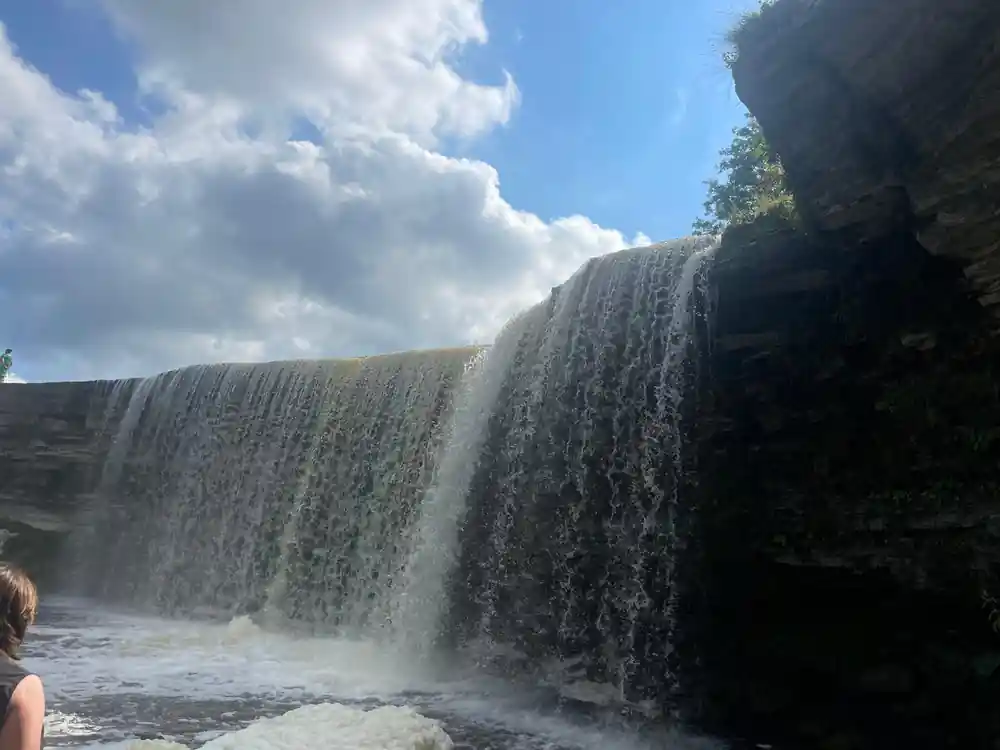
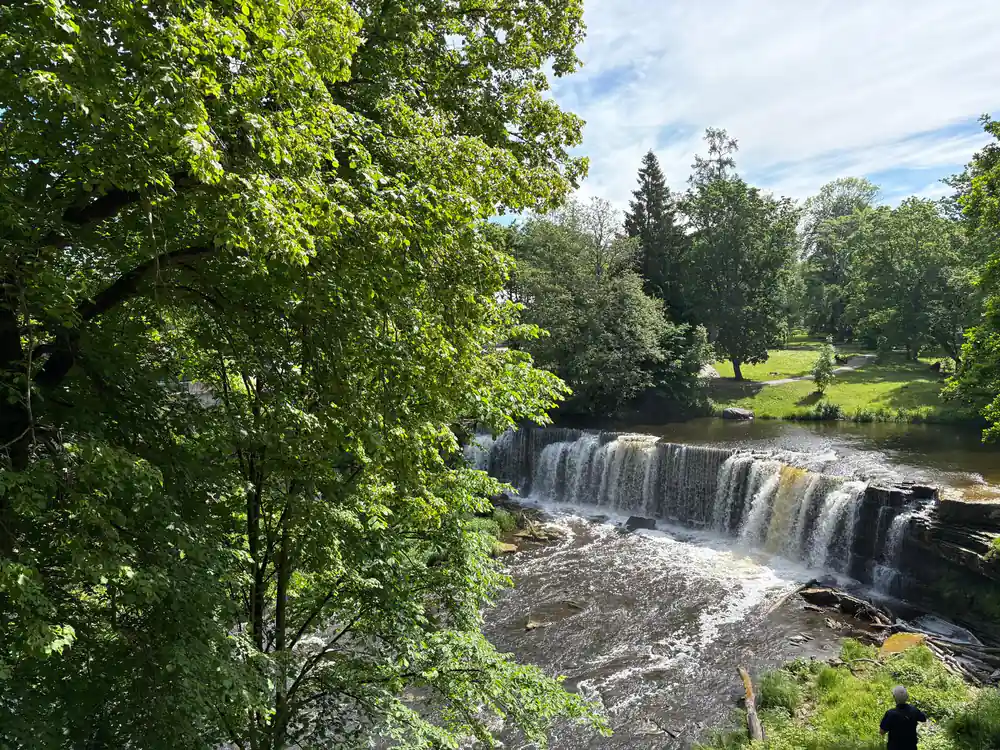
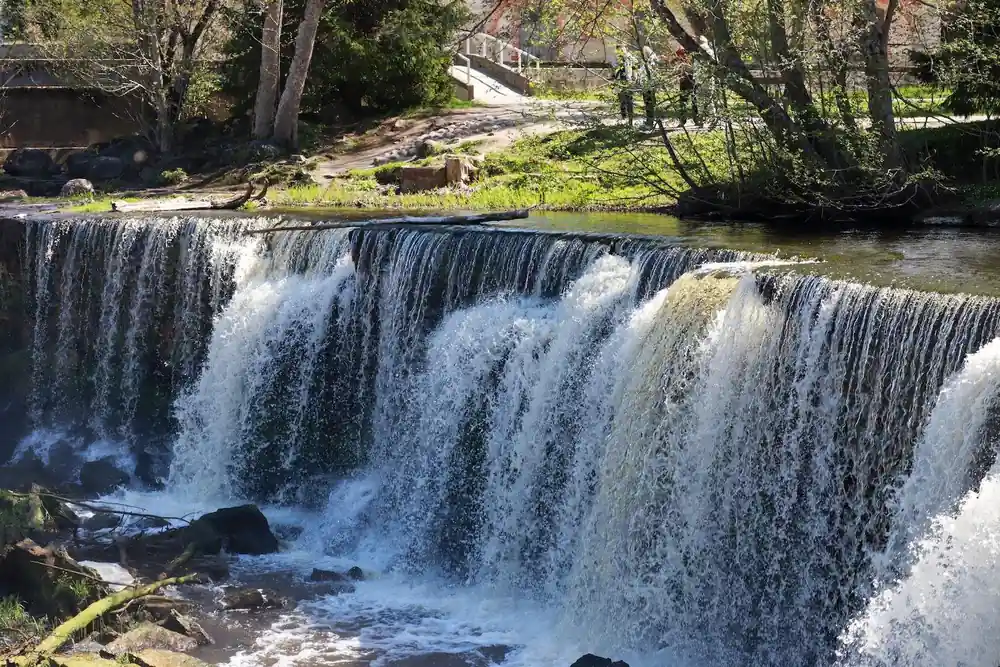
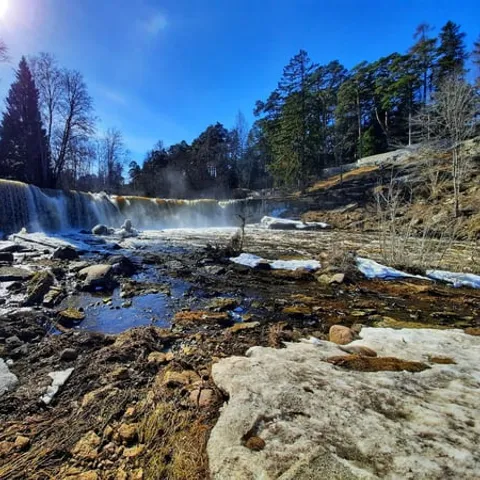
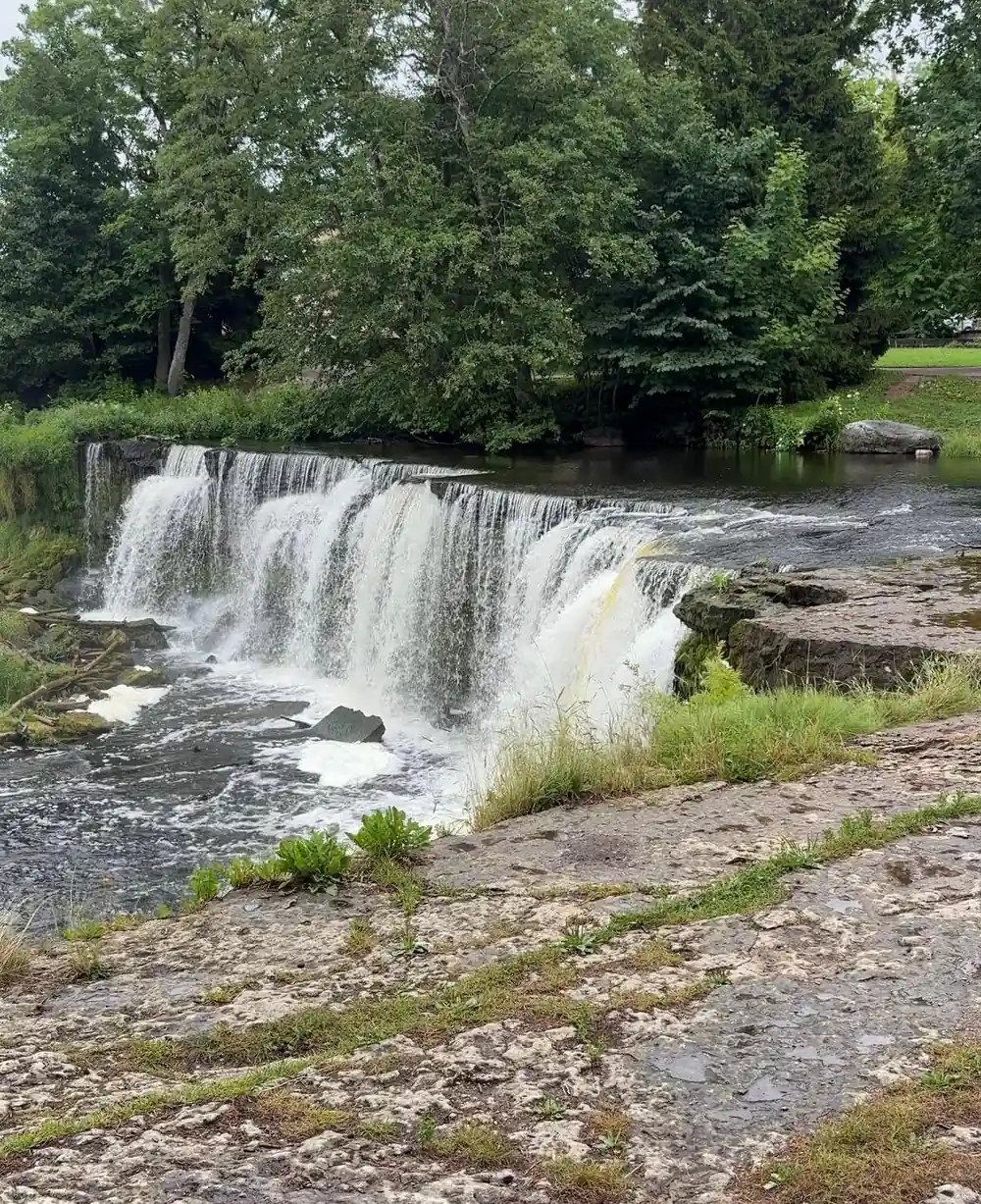
Keila waterfall is 6 metres high, a curtain of water that you hear before you see it.[15] The river has cut a gorge through the limestone, and paths and a small park let you take it in from above and from the bank. It is a short, easy stop rather than a hike, and a good place to stretch your legs in the middle of a driving day. Families with children tend to like this one, because the payoff comes with almost no walking, and there is room to sit and watch the water.
Spring melt and heavy rain change the falls a great deal, from a full, roaring sheet to a thinner flow with rock showing through. Ground around the viewpoints stays damp and slippery, so shoes with grip earn their place. Keila waterfall is often the quiet middle of the day, between the open coast at Suurupi and the old port at Paldiski. The tour from this site calls there between Suurupi and Paldiski, which makes it a natural halfway pause.[1]
Suurupi: The Coastal Starting Point
The day usually begins on the coast at Suurupi, a low wooded shore with a lighthouse and a view back along the bay towards Tallinn. It sets the tone for the rest of the route: pine forest, sandy tracks, boulders at the waterline and a horizon of open sea. The tour from this site lists Suurupi as its first stop after leaving Tallinn by van.[1]
This is a good place to get your bearings and to read the weather out on the water before the day gets going. It is also where the landscape starts changing fast: a working port at Paldiski, a waterfall gorge, then the strange blue of a flooded quarry, all within a short drive of one another. If you are travelling by car, the coast road here is easy to follow, with room to pull over and look, and the driving itself is part of the pleasure.
What to Expect and How to Prepare
The tour from this site runs 6 hours with a live guide in English, in a small group limited to 7 participants.[1] It travels by van between Suurupi, Keila waterfall, Paldiski, Pakri Lighthouse and Rummu quarry, so most of the day is spent looking rather than walking.[1] You can reserve now and pay later, and cancel free up to 24 hours in advance for a full refund.[1]
Wear layers. Coastal Estonia can be still and warm in the car park and cold and windy on the cliff a few minutes later, and the quarry basin holds its own cool air. Comfortable shoes with grip cover every stop, including damp ground near the waterfall. Take water and a snack, a waterproof jacket, and binoculars if you have them. A small towel is worth packing if you plan to swim.
There are other ways to see the same water. A slow walk around the rim of the quarry shows the flooded buildings from above, and the light on the turquoise water changes through the day. If you would rather have the day to yourself, the Pakri landscape conservation park and coast tour runs 5 hours as a private group.[6]
Listed duration of day tours from Tallinn
Durations as listed for five GetYourGuide day tours:[1][6][7][16]
Tour prices from Tallinn, in US dollars
From prices in US dollars for GetYourGuide day tours:[1][6][7][16]
Seasons on the Pakri coast
How to plan the day
Book your place
The day trip is a small group limited to 7, so summer dates fill early. Reserve now and pay later.[1]
Start on the coast
Suurupi comes first, a low wooded shore with a lighthouse and a view back along the bay towards Tallinn.[1]
Walk the cliff edge
The Pakri cliffs lie west of Paldiski. Stay back from loose edges and keep binoculars handy for birds along the coast.
Watch the water
Keila waterfall is 6 metres high, and the quarry lake is 14 metres deep at its deepest point.[11][15]
Finish at Rummu
The route ends at Rummu quarry, open every day from 10:00 to 20:00 all year round.[13]
See the Pakri coast, Keila waterfall and Rummu quarry in one day
from US$144Reserve now & pay later